




Surinam Cherry (Eugenia uniflora)
Regular price $19.95Bright Tropical Fruit with Sweet-Tart Flavor
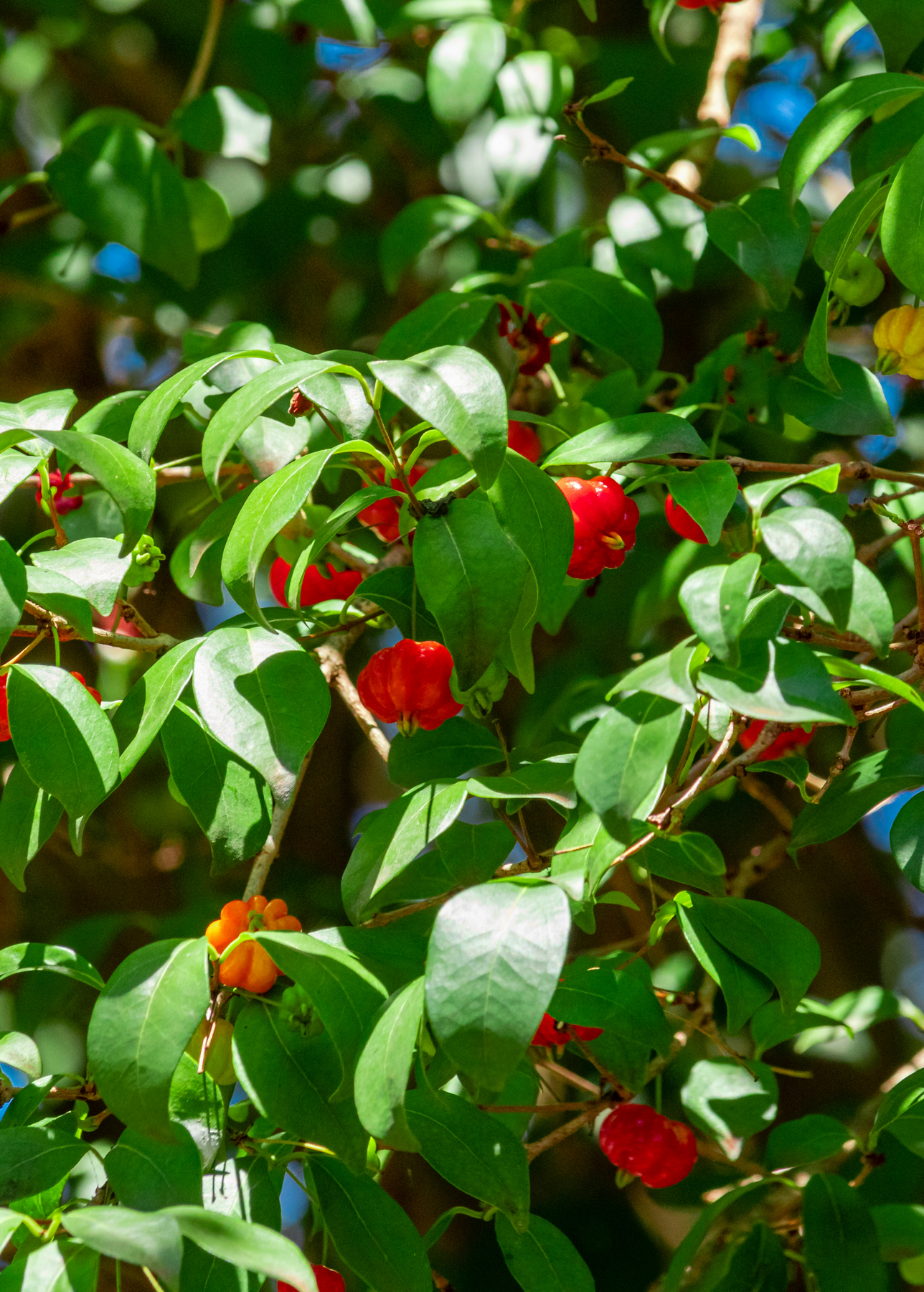
Surinam Cherry (Eugenia uniflora) is a vigorous evergreen fruiting shrub prized for its abundance of bright red, tropical cherry-like fruit. The ribbed, glossy fruits are as ornamental as they are flavorful, ripening from green through orange and red before developing their best flavor at full maturity. Ripe cherries become soft to the touch and have thin skin with a rich, sweet-tart, acidic flavor that is unlike almost any other garden fruit. Under-ripe fruit can be bitter and astringent, so patience pays off when harvesting.
A fast-growing plant with dense evergreen foliage, Surinam Cherry is especially popular as a fruiting hedge but can also be grown as a specimen shrub or small tree. Given room to grow, it can reach 10–12 feet tall and wide, making it a productive and attractive choice for tropical and subtropical landscapes. Its vigor and adaptability allow it to thrive in a wide range of locations.
Cultural & Culinary Significance
Known throughout the tropical world as Pitanga, Suriname Cherry, Brazilian Cherry, Cayenne Cherry, Cerisier Carré, Monkimoni Kersie, and Ñangapirí, Surinam Cherry has become an important backyard fruit throughout warm regions. Native to the eastern coast of tropical South America, it now grows across tropical areas from the Philippines and Hawaii to Haiti and West Africa. The fruit is enjoyed fresh when fully ripe and can also be used in juices, jams, jellies, syrups, and other preserves. Its distinctive flavor and attractive fruit have made it a longtime favorite for tropical gardens and edible hedges.
Why Grow Surinam Cherry?
- Abundant Fruit: Vigorous plants can produce heavy crops of colorful tropical cherries.
- Unique Flavor: Fully ripe fruit offers a distinctive sweet, tart, and acidic flavor.
- Fast Growing: Quickly develops into a substantial fruiting shrub or hedge.
- Evergreen Hedge: Dense foliage provides year-round greenery while producing an edible crop.
- Highly Adaptable: Thrives in a variety of tropical and subtropical growing conditions.
Quick Care Guide
| Plant Type: | Perennial Fruit-Bearing Shrub/Tree |
| Harvest Season: | Late Spring to Early Summer (varies by species) |
| Mature Size: | Varies by species; typically 6-30 feet tall |
| Soil & Moisture: | Well-draining, slightly acidic soil; regular watering |
| Light Requirements: | Full Sun to Partial Shade |
| Growth Rate: | Moderate |
| Self-fertile: | Yes (most species) |
| Zone Hardiness: | Outdoors 9-11; Patio/Greenhouse 4+ |
| Propagation: | Our medium pot size plants are grown from seeds or cuttings; capable of producing fruit within 3-5 years. X-Large Pot size plants are capable of flowering and fruiting now. |
About Eugenias
Common Names: Eugenia, Pitanga, Surinam Cherry, Grumichama, Brazilian Cherry
Family: Myrtaceae
Origin: Tropical and Subtropical regions of South America, including Brazil
Eugenia is a diverse genus of tropical and subtropical fruit-bearing trees and shrubs known for their flavorful fruits, attractive appearance, and ornamental value. This group includes popular varieties such as Surinam Cherry (Eugenia uniflora), Grumichama (Eugenia brasiliensis), and Pitanga (Eugenia pitanga). Renowned for their glossy evergreen foliage, fragrant flowers, and tasty fruits, Eugenias are prized additions to gardens, particularly in warm regions. The fruits range in flavor from sweet to tangy, making them ideal for fresh eating, jams, jellies, and beverages.
Shop all of our Eugenia varieties.
Growing Tips
(Also known as: Surinam Cherry, Suriname Cherry, Pitanga, Brazilian Cherry, Cayenne Cherry, Cerisier Carré, Monkimoni Kersie, Ñangapirí, Eugenia uniflora)
Surinam Cherry grows best in full sun to part shade and adapts well to a variety of well-draining soils. Keep young plants consistently watered while they establish; mature plants are more tolerant of dry conditions. Feed during the growing season to encourage vigorous growth and fruit production. Prune as needed to maintain a compact hedge or desired shape, or allow it to grow naturally into a larger shrub or small tree. Harvest fruit only when it is dark red, soft, and fully ripe, as under-ripe cherries can be bitter and astringent. Protect from frost and extended cold.
| Attribute | Details |
|---|---|
| Botanical Name | Eugenia uniflora |
| Common Names | Surinam Cherry, Suriname Cherry, Pitanga, Brazilian Cherry, Cayenne Cherry, Cerisier Carré, Monkimoni Kersie, Ñangapirí |
| Family | Myrtaceae |
| Origin | Eastern tropical South America |
| Plant Type | Perennial Evergreen Fruit Tree / Fruiting Shrub |
| Life Cycle | Perennial |
| Mature Size | 10–12 ft. tall × 10–12 ft. wide |
| Light | Full Sun, Part Shade |
| Water Needs | Moderate |
| Soil | Moist, rich, well-draining soil |
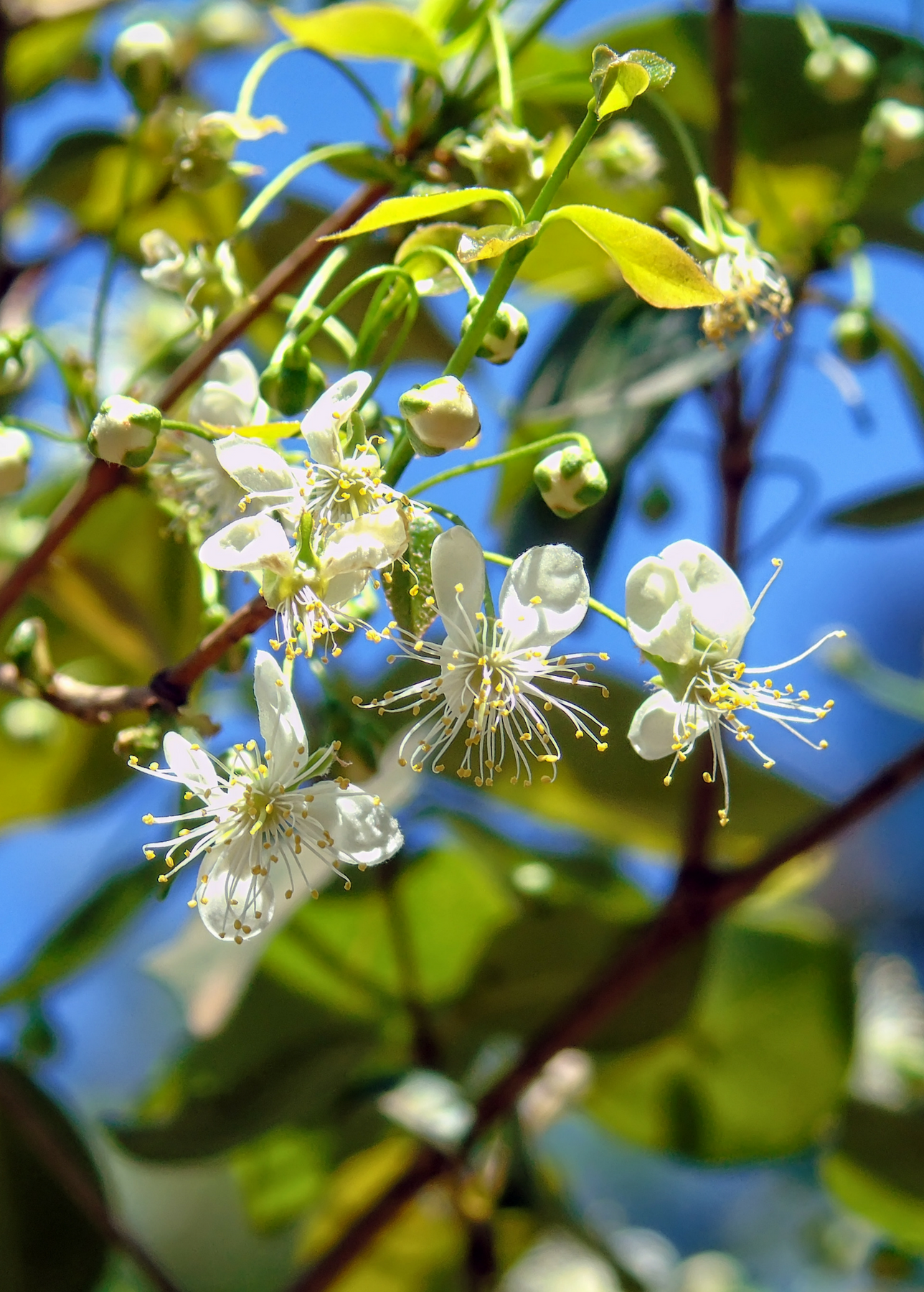
| Bloom Time | Spring to Fall |
| Flower Color | White |
| USDA Zones | Outdoors 9–12 (frost protection until established); Patio/Greenhouse 4+ |
| Florida Native | No |
| Propagation | Medium: Seedlings; X-Large: Grafted |
| Seasonal Traits | Evergreen |
| Self-Fertile | Yes |
| Growth Rate | Fast to Medium |
| Harvest Season | Spring, Summer, Fall, Winter depending on location; largest Florida crop in spring with a smaller summer crop |
| Time to Harvest | Fruit can ripen 3–4 weeks after flowering; Medium seedlings capable of fruiting in 1–2 years; X-Large grafted trees capable of fruiting now |
Zone Hardiness:
Outdoors 9-12 (frost protection until established); Patio/Greenhouse 4+
Propagation:
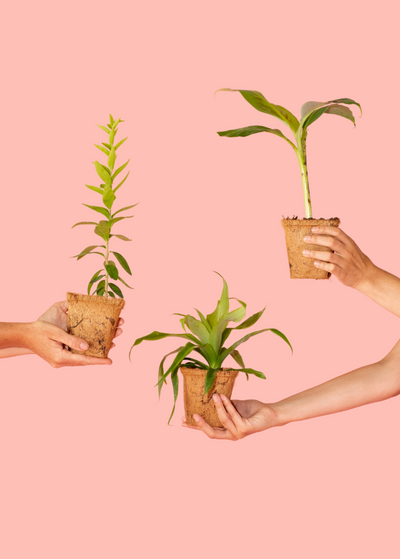
Medium Pot Size: Our Surinam Cherry seedlings were cultivated from hand-selected varieties of great producing trees with optimal flavored fruit collected throughout our food forest. They are capable of fruiting within 1-2 years.
X-Large Pot Size: Our Grafted Black Surinam Cherry trees are capable of fruiting now.
See More:
Shop all of our Surinam Cherry tree varieties.
Shop all of our Eugenia varieties.


Wondering about your USDA Growing Zone and what you can grow? 🌎🌿 Learn how to find your Zone and grow tropical plants anywhere—Florida to Alaska! 👉 Read the full blog here!
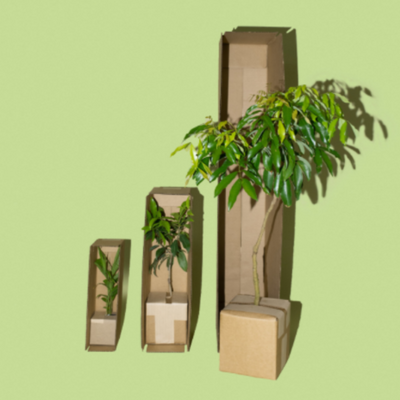
We ship every plant plastic-free and planet-friendly—using compostable packaging, recyclable pots, and carbon-conscious shipping from start to finish. 🌎🌱👉 Our Commitment to Packaging & Shipping Sustainability