


Mexican Mountain Papaya, Bonete (Jacaratia mexicana)
Regular price $69.95*LIMITED EDITION*
Rare Mexican Papaya Relative with Ribbed Fruit
Mexican Mountain Papaya, also known as Bonete, is a fascinating tropical tree native to Mexico and Central America. Unlike common papaya, Jacaratia mexicana is a wild relative with a distinctive growth habit, thick tapered trunk, sparse branching, and large palmate leaves clustered toward the ends of its branches. It is typically deciduous and can reach impressive heights in its native habitat, where it grows in tropical dry and seasonally wet forests. The species is especially prized by collectors for its unusual appearance and its large, deeply ribbed fruits.
Bonete produces distinctive pendulous fruits with five prominent ribs, giving them a sculptural, almost winged appearance. The fruits mature from green to yellowish or yellow-green and can reach impressive sizes. When ripe, the soft flesh has a mildly sweet, melon-like flavor with delicate papaya notes, while young green fruits have a more starchy, vegetable-like quality and are traditionally cooked. In Mexico, the fruit has traditionally been prepared in soups, sweets, preserves, and refreshing drinks, while the seeds can be toasted and eaten. Its unusual fruit, edible uses, and relationship to cultivated papaya make Bonete a fascinating addition to a tropical fruit collection.
Cultural & Culinary Significance
Bonete has been used as a wild food tree throughout Mexico and Central America. Young fruits may be cooked in soups and savory dishes, while mature fruit can be cooked, made into sweets or preserves, or used in fresh beverages. Traditional uses also include eating the toasted seeds. The fruit's unusual ribbed shape and relationship to papaya make it an especially interesting plant for tropical fruit collectors and those interested in lesser-known edible species.
Why Grow Mexican Mountain Papaya?
-
Produces unusual, deeply ribbed fruits unlike common papaya
-
A rare wild relative of cultivated papaya
-
Large tropical leaves and a distinctive sculptural growth habit
-
Edible fruits with traditional culinary uses in Mexico
-
An exceptional collector's tree for tropical and subtropical gardens
Pollination
A few cultivars are self-fruitful. However, with seedlings, both male and female trees are usually needed, and even self-fruitful cultivars do better with a second male nearby. At this stage in the plant’s growth, there is no way to tell the gender, so we recommend getting multiple plants for the best chances of future fruit.
Growing Tips
Plant Bonete in full sun to part shade and provide fertile, well-draining soil. Water regularly while establishing, then allow the soil to dry somewhat between waterings, particularly in cooler conditions. It naturally grows in seasonally dry tropical forests and can tolerate periods of drought once established. Give it plenty of room to develop its trunk and canopy, and protect young plants from freezing temperatures. Bonete is generally dioecious, with male and female flowers occurring on separate plants, so fruit production may require compatible plants.
Quick Facts
| Attribute | Details |
|---|---|
| Botanical Name | Jacaratia mexicana |
| Common Names | Mexican Mountain Papaya, Bonete, Papaya de Montaña, Papayón, K'umché, Cuahuayote |
| Family | Caricaceae |
| Origin | Mexico to Nicaragua |
| Plant Type | Tropical Deciduous Fruit Tree |
| Life Cycle | Perennial |
| Mature Size | 15–25 m in native habitat |
| Light | Full Sun, Part Shade |
| Water Needs | Moderate; drought tolerant once established |
| Soil | Fertile, well-draining soil; adaptable to seasonal moisture |
| Bloom Time | Dry season; varies by location |
| Flower Color | White to greenish or yellow-green |
| USDA Zones | 9–11; protect from frost |
| Florida Native | No |
| Propagation | Seed |
| Seasonal Traits | Deciduous; foliage may be shed during the dry season |
| Time to Harvest | Variable; fruiting depends on plant maturity and sex |
| Self-Fertile | Generally dioecious; male and female plants may be needed for fruit production |
| Growth Rate | Medium to Fast |
Quick Care Guide
| Plant Type: | Perennial Tropical Fruit Tree |
| Harvest Season: | Year-round in warm climates; first harvest 7-9 months after planting |
| Mature Size: | 6-8 feet tall, 5-6 feet wide |
| Soil & Moisture: | Well-draining, fertile soil; regular watering with moderate moisture |
| Light Requirements: | Full Sun |
| Growth Rate: | Very Fast |
| Self-fertile: | Yes |
| Zone Hardiness: | Outdoors 9-11; Patio/Greenhouse 4+; Grown in containers indoors in cooler zones |
| Propagation: | Grown from seeds; fruit production starts within 7-9 months of planting for our medium pot size. Trees in our large or x-large pot sizes are capable of flowering and fruiting now. |
Growing Guide for Dwarf Red Lady Papaya
Climate and Soil Requirements
- Climate: Dwarf Red Lady Papaya thrives in warm, tropical to subtropical climates and is best suited for USDA hardiness zones 9-11. It requires warm temperatures and plenty of sunlight to grow and fruit year-round. In cooler regions, it can be grown in containers and moved indoors during colder months.
- Soil: Papayas prefer well-draining, fertile soil rich in organic matter. Slightly acidic to neutral soils (pH 6.0-7.0) are ideal. Avoid heavy clay soils that retain too much water, as papayas are sensitive to waterlogged conditions.
Planting
- Location: Choose a sunny location that receives at least 6-8 hours of direct sunlight daily. Full sun is essential for optimal fruit production.
- Soil Preparation: Prepare the soil by loosening it and adding organic compost or well-rotted manure to improve fertility and drainage.
- Planting Time: Plant in the spring or early summer when the soil is warm and the risk of frost has passed.
- Spacing: Space plants 5-6 feet apart to allow for their full growth and spreading canopy.
Watering
- Regular Moisture: Water regularly to keep the soil consistently moist but not waterlogged. Papayas are sensitive to drought but also do not tolerate standing water. Water deeply once the top 1-2 inches of soil has dried out.
Sunlight and Fertilizing
- Full Sun: Ensure the tree receives at least 6-8 hours of direct sunlight per day for vigorous growth and optimal fruit development.
- Fertilizing: Apply a balanced, slow-release fertilizer every 6-8 weeks during the growing season. Organic compost or a high-potassium fertilizer can be applied to support fruit production.
Pruning and Maintenance
- Low Maintenance: Dwarf Red Lady Papaya requires minimal pruning. Remove any dead or damaged leaves to keep the plant healthy. Pruning is not typically needed to control size, as this variety naturally remains compact.
- Container Growing: This variety is ideal for growing in large containers. Use a well-draining potting mix and ensure the container has proper drainage holes.
Pest and Disease Management
- Common Pests: The papaya tree may attract pests like aphids, spider mites, or fruit flies. Use insecticidal soap or neem oil to manage infestations if necessary.
- Diseases: Papayas can be susceptible to root rot if overwatered or grown in poorly draining soil. Avoid waterlogged conditions and provide proper air circulation to prevent fungal issues.
Harvesting Dwarf Red Lady Papayas
When to Harvest:
- Papayas typically ripen 7-9 months after planting and continue producing fruit year-round in warm climates. The fruit is ready to harvest when the skin turns from green to yellow. The fruit should be slightly soft to the touch.
How to Use:
- Dwarf Red Lady Papayas are perfect for fresh eating, adding to fruit salads, or blending into smoothies. The fruit is rich in flavor and packed with nutrients, making it an excellent addition to a healthy diet.


Wondering about your USDA Growing Zone and what you can grow? 🌎🌿 Learn how to find your Zone and grow tropical plants anywhere—Florida to Alaska! 👉 Read the full blog here!
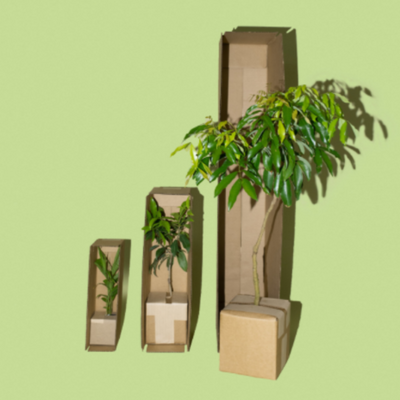
We ship every plant plastic-free and planet-friendly—using compostable packaging, recyclable pots, and carbon-conscious shipping from start to finish. 🌎🌱👉 Our Commitment to Packaging & Shipping Sustainability