


Tree Tomato, Red (Cyphomandra betaceae)
Regular price $19.95Common Names: Red Tree Tomato, Tamarillo
Family: Solanaceae
Origin: South America (Peru, Ecuador)
The Red Tree Tomato (Cyphomandra betacea) is a striking fruit-bearing tree native to South America, well-loved for its deep red fruits that offer a rich, tangy flavor. Known as Tamarillo, the Red Tree Tomato is an excellent addition to both sweet and savory dishes, providing a bold and flavorful ingredient for jams, sauces, and salads. With its fast growth and abundant fruit production, this tree is perfect for home gardeners looking for a unique and exotic addition to their garden.
Distinctive Features and Uses
Fruits: The Red Tree Tomato produces oval-shaped fruits with a smooth, red skin. The flesh is tangy and slightly tart, with a rich, fruity flavor that’s ideal for adding complexity to dishes. The fruit is commonly used in sauces, chutneys, and jams or eaten fresh with a sprinkle of sugar to balance its tartness. Like the orange variety, the skin is typically peeled before eating, as it can have a slightly bitter taste.
Leaves: The large, heart-shaped green leaves of the Red Tree Tomato provide a tropical aesthetic, making it an attractive addition to gardens and patios. The foliage is aromatic, giving off a light musky scent when bruised.
Growth Habit: The Red Tree Tomato is a vigorous grower, typically reaching 6-10 feet tall, with a bushy growth habit. It can bear fruit in as little as 1-2 years and is known for its prolific fruiting in ideal conditions.
Quick Care Guide
| Plant Type | Perennial Fruiting Shrub |
| Harvest Season | Late Summer to Fall |
| Mature Size | 6-10 feet tall, 3-5 feet wide |
| Soil & Moisture | Well-draining, fertile soil; moderate watering |
| Light Requirements | Full Sun to Part Shade |
| Growth Rate | Fast |
| Self-fertile | Yes |
| Zone Hardiness | Outdoors 9-11; Patio/Greenhouse 4+ |
| Propagation | Grown from seed or cuttings; capable of producing fruit within 1-2 years. |
Growing Guide for Both Orange and Red Tree Tomato Varieties
Climate and Soil Requirements
- Climate: Tree Tomatoes thrive in warm, frost-free climates and are best suited for USDA hardiness zones 9-11. They prefer mild temperatures and can be grown in containers in cooler regions. In colder climates, they should be brought indoors during winter.
- Soil: Both Orange and Red Tree Tomatoes prefer well-draining, fertile soil rich in organic matter. A slightly acidic to neutral pH (6.0-7.0) is ideal.
Planting
- Location: Choose a sunny location that receives at least 6 hours of direct sunlight daily. Both varieties can tolerate partial shade but produce best in full sun.
- Soil Preparation: Prepare the soil by loosening it and mixing in compost or organic matter to enhance fertility and drainage.
- Planting Time: Plant in the spring when the soil has warmed up. Tree Tomatoes can also be grown in large containers.
- Spacing: Space trees 3-5 feet apart if planting in the ground, or use a large container with adequate drainage if growing in pots.
Watering
- Regular Moisture: Water consistently to keep the soil evenly moist, especially during dry spells. Avoid waterlogging the roots, as the trees are sensitive to poor drainage.
Sunlight and Fertilizing
- Full Sun: Ensure the tree gets at least 6 hours of direct sunlight daily.
- Fertilizing: Apply a balanced fertilizer every 6-8 weeks during the growing season to support fruit production.
Pruning and Maintenance
- Pruning: Prune the tree in early spring to encourage a bushy growth habit and remove dead or damaged branches.
- Support: Use stakes to support the branches, especially when they are heavy with


Wondering about your USDA Growing Zone and what you can grow? 🌎🌿 Learn how to find your Zone and grow tropical plants anywhere—Florida to Alaska! 👉 Read the full blog here!
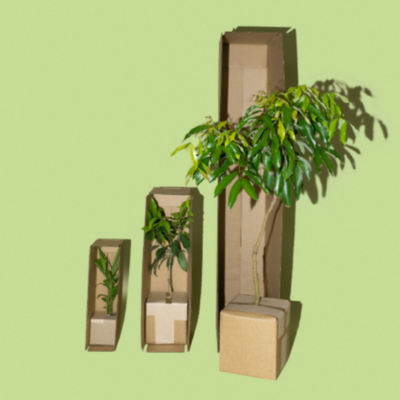
We ship every plant plastic-free and planet-friendly—using compostable packaging, recyclable pots, and carbon-conscious shipping from start to finish. 🌎🌱👉 Our Commitment to Packaging & Shipping Sustainability