
Blueberry 'Emerald' (Vaccinium corymbosum)

Regular price $19.95
/
Shipping calculated at checkout.
119 in stock

Pot Size

Juicy Clusters with Bright Sweetness

Blueberry ‘Emerald’ (Vaccinium corymbosum ‘Emerald’) forms a dense, rounded shrub layered with glossy, blue-green foliage that glows under warm sun. In spring, it produces clusters of creamy white, bell-shaped flowers before swelling in powder-blue berries. Blueberry ‘Emerald’ has a low chill requirement (150 to 250 hours) and is ideal for warm climates, especially Florida and Georgia. Emerald was developed by the University of Florida blueberry breeding program in 1991 with the goal to combine low chill requirements, high yield, and good fruit quality for southern U.S. climates. The fruit is noted for its firm texture, balanced sweetness, and refreshing, bright finish—perfect for fresh eating straight off the bush. Bred for warm climates and adapted from wild highbush blueberries native to North America’s cool, acidic forests and bog margins, ‘Emerald’ brings exceptional vigor, heavy productivity, and ornamental appeal. Its lush foliage, reliable fruit set, and heat tolerance make it one of the most celebrated modern blueberry cultivars for home growers.

This variety stands out for its abundant yields and early-to-mid-season ripening, offering weeks of berries while maintaining a clean, compact shape. Its foliage takes on soft seasonal shifts—fresh green in spring, deep emerald in summer, and subtle, warm tones in fall—making it as decorative as it is delicious. Whether planted as a hedge, specimen shrub, or container crop, ‘Emerald’ rewards gardeners with beauty, resilience, and bowls of delectable berries.

Cultural & Culinary Significance
Blueberries hold deep culinary and cultural importance across North America, where Indigenous communities have long used them in preserved foods, medicinal preparations, and seasonal rituals. Traditionally dried for winter sustenance, combined with meats in pemmican, or cooked into nourishing teas and tonics, blueberries symbolized health, endurance, and the turning of the seasons. In modern kitchens, cultivars like ‘Emerald’ carry this lineage into pies, muffins, jams, syrups, and refreshing summer desserts. Their vivid color, antioxidant-rich skins, and distinctively sweet-tart flavor have made blueberries a beloved staple in homes and celebrations throughout the continent. Growing ‘Emerald’ connects today’s gardeners to this long tradition of wild harvest, nourishment, and the enduring pleasure of summer fruit.

Why Grow Blueberry ‘Emerald’?

  1. Heavy producer of firm, sweet, early-to-mid–season berries

  2. Attractive year-round foliage and bell-shaped spring blooms

  3. Heat-tolerant and excellent for Southern and mild-winter climates

  4. Provides food and habitat for pollinators and wildlife

  5. Deep cultural and culinary value across North America


Growing Tips
(Also known as: Emerald Blueberry, Southern Highbush Blueberry; botanical synonyms may include Vaccinium corymbosum hybrids used in Southern highbush breeding)

Plant Blueberry ‘Emerald’ in full sun for best fruiting. It requires acidic, well-drained soil rich in organic matter—ideal pH between 4.5 and 5.5. Water consistently, keeping soil evenly moist but never waterlogged; mulching with pine bark or needles helps maintain acidity and moisture. This variety excels in warm climates and tolerates mild frost, though extreme freezes may damage early blossoms. Feed with an acid-loving fertilizer in early spring and again after harvest. Prune lightly in late winter to remove old or weak wood and encourage vigorous new growth. ‘Emerald’ thrives in both ground and large containers when provided with acidic potting mixes. Growth is moderate to fast, with high humidity generally beneficial. Protect ripening berries from birds if needed. Expect your first meaningful harvest within 1–2 years after planting.

Attribute Details
Botanical Name Vaccinium corymbosum ‘Emerald'
Common Names Emerald Blueberry, Southern Highbush Blueberry
Family Ericaceae 
Origin Cultivar developed in the United States (University of Florida breeding program) 
Plant Type Shrub (fruiting berry) 
Life Cycle Perennial 
Mature Size ~5–6 ft (1.5–1.8 m) tall × 4–6 ft (1.2–1.8 m) wide 
Light Full sun to partial shade
Water Needs Moderate; keep soil consistently moist, not waterlogged
Soil Well‑drained, acidic soil (pH ~4.5–5.5) 
Bloom Time Spring
Flower Color White
USDA Zones ~7–10 (performs best in warmer zones) 
Florida Native No (cultivar) 
Propagation Cuttings (commercially propagated from rooted cuttings) 
Seasonal Traits Deciduous in cold climates; semi‑evergreen to evergreen in warm climates 
Time to Harvest Typically early‑ to mid‑season (fruits in spring/summer; often within ~2–3 years after planting)
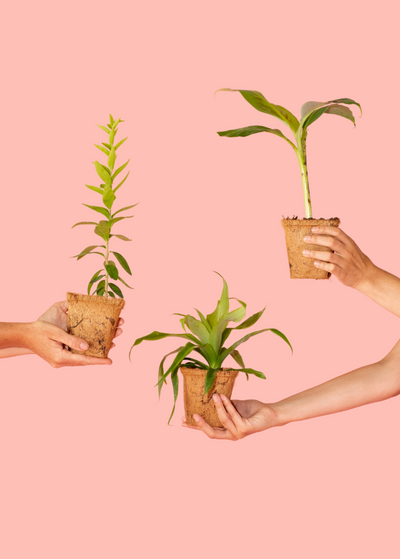
All of our plants ship in plantable coconut coir pots or recyclable nursery pots! Just pop them in the ground or reuse and recycle. Want to learn more about our plant sizes and how to grow them? 👉 Checkout the Full Guide Here

Wondering about your USDA Growing Zone and what you can grow? 🌎🌿 Learn how to find your Zone and grow tropical plants anywhere—Florida to Alaska! 👉 Read the full blog here!

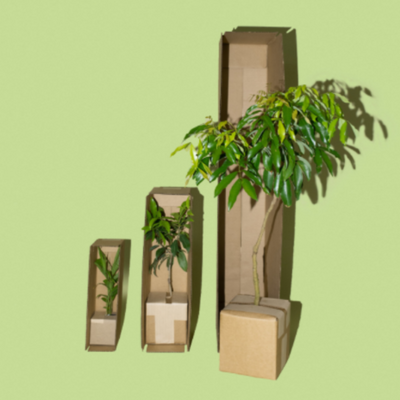
We ship every plant plastic-free and planet-friendly—using compostable packaging, recyclable pots, and carbon-conscious shipping from start to finish. 🌎🌱👉 Our Commitment to Packaging & Shipping Sustainability