

Cedar Bay Cherry (Eugenia reinwardtiana)
Regular price $59.95Sweet Tropical Fruit with Apple-Scented Leaves
Grow a piece of paradise in your backyard with Cedar Bay Cherry (Eugenia reinwardtiana)! This evergreen tree or shrub is native to rainforests of northern Queensland, Indonesia, and the Pacific Islands and delights with bright glossy leaves, beautiful white flowers, and delicious sweet, orange-red fruit. Cedar Bay Cherry is grown commercially on a small scale for its sweet fruit and as an ornamental shrub, making it an appealing tree or hedge for home gardens.
Cedar Bay Cherry grows 8–20 ft. high with a rounded crown. White flowers bloom from late spring to early summer, then develop into sweet, 1-inch cherries that taste like cherry with a hint of grape. The fruit can be eaten out of hand or used to flavor candies and drinks, as pie fillings, chutneys, preserves, or as toppings for yogurt, ice cream, or salads. Like other members of the Myrtle family (Myrtaceae), its shiny, elliptical leaves are covered with oil glands that release a distinctive apple scent when crushed, while new leaves emerge an attractive pink before maturing into bright green.
Cultural & Culinary Significance
Cedar Bay Cherry is a highly popular fruit in Australia, where it is enjoyed for its sweet, cherry-like flavor and versatility in the kitchen. The 1-inch fruits can be eaten fresh or transformed into candies, drinks, pie fillings, chutneys, preserves, and delicious toppings for yogurt, ice cream, and salads. Its combination of edible fruit, fragrant foliage, and ornamental beauty makes it a beloved choice for both food gardens and landscapes.
Why Grow Cedar Bay Cherry?
- Sweet orange-red fruit with a delicious cherry and grape-like flavor
- Beautiful white flowers followed by abundant edible fruit
- Glossy evergreen foliage with an unexpected apple scent
- Attractive pink new growth adds extra ornamental appeal
- Can be grown as a fruit tree, ornamental shrub, or hedge
Growing Tips
(Also known as: Cedar Bay Cherry, Cedar Bay, Beach Cherry)
Cedar Bay Cherry grows in full sun to partial shade in moist, well-draining soil. It is hardy in USDA Zones 9–11 and thrives in warm, humid conditions. Give it room to develop its rounded crown, or prune it to maintain a smaller size for use as a hedge or ornamental shrub.
| Attribute | Details |
|---|---|
| Botanical Name | Eugenia reinwardtiana |
| Common Names | Cedar Bay Cherry, Cedar Bay, Beach Cherry |
| Family | Myrtaceae |
| Origin | Northern Queensland, Indonesia, Pacific Islands |
| Plant Type | Evergreen Fruit Tree/Shrub |
| Life Cycle | Perennial Evergreen |
| Mature Size | 8–20 ft. tall |
| Light | Full Sun, Part Shade |
| Water Needs | Moderate |
| Soil | Moist, well-draining soil |
| Bloom Time | Late Spring–Early Summer |
| Flower Color | White |
| USDA Zones | 9–11 |
| Florida Native | No |
| Propagation | Seeds |
| Seasonal Traits | Evergreen; pink new growth |
| Time to Harvest | After flowering |
Quick Care Guide
| Plant Type: | Perennial Fruit-Bearing Shrub/Tree |
| Harvest Season: | Late Spring to Early Summer (varies by species) |
| Mature Size: | Varies by species; typically 6-30 feet tall |
| Soil & Moisture: | Well-draining, slightly acidic soil; regular watering |
| Light Requirements: | Full Sun to Partial Shade |
| Growth Rate: | Moderate |
| Self-fertile: | Yes (most species) |
| Zone Hardiness: | Outdoors 9-11; Patio/Greenhouse 4+ |
| Propagation: | Our medium pot size plants are grown from seeds or cuttings; capable of producing fruit within 3-5 years. X-Large Pot size plants are capable of flowering and fruiting now. |
About Eugenias
Common Names: Eugenia, Pitanga, Surinam Cherry, Grumichama, Brazilian Cherry
Family: Myrtaceae
Origin: Tropical and Subtropical regions of South America, including Brazil
Eugenia is a diverse genus of tropical and subtropical fruit-bearing trees and shrubs known for their flavorful fruits, attractive appearance, and ornamental value. This group includes popular varieties such as Surinam Cherry (Eugenia uniflora), Grumichama (Eugenia brasiliensis), and Pitanga (Eugenia pitanga). Renowned for their glossy evergreen foliage, fragrant flowers, and tasty fruits, Eugenias are prized additions to gardens, particularly in warm regions. The fruits range in flavor from sweet to tangy, making them ideal for fresh eating, jams, jellies, and beverages.
Shop all of our Eugenia varieties.


Wondering about your USDA Growing Zone and what you can grow? 🌎🌿 Learn how to find your Zone and grow tropical plants anywhere—Florida to Alaska! 👉 Read the full blog here!
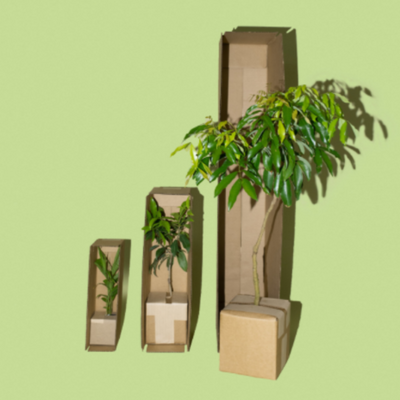
We ship every plant plastic-free and planet-friendly—using compostable packaging, recyclable pots, and carbon-conscious shipping from start to finish. 🌎🌱👉 Our Commitment to Packaging & Shipping Sustainability