


Tamarind, Tart (Tamarindus indica)
Regular price $19.95Tangy Tropical Fruit with Sweet Pulp
Tart Tamarind (Tamarindus indica) is one of our absolute favorite fruits! This beautiful evergreen legume produces feathery, pinnate leaves, red and yellow flowers, and long, bumpy seed pods that ripen from April through June. Inside, the seeds are surrounded by the signature sweet-sour pulp that makes Tamarind such a beloved tropical fruit.
Native to tropical Africa, Tamarind is adapted to a wide range of growing conditions and grows exceedingly well and effortlessly in Florida, especially in the south. It can reach an impressive 30–100 feet in the right habitat, but its fine-textured growth also makes it a highly prized Bonsai specimen that can be pruned and maintained at impressively small sizes.
Cultural & Culinary Significance
Tamarind is prized in the cuisines of the Caribbean, India, Mexico, and Central America, as well as tropical and subtropical areas around the world. The pulp can be eaten raw or used in chutneys, candies, marinades, sauces, and drinks, and Tamarind is also a flavoring ingredient in Worcestershire sauce. The seeds and leaves are edible as well. Tamarind has a long history in traditional medicine, where the fruit, bark, and leaves have been used for fever, malaria, digestive issues, and wounds. The pulp has also been used as a metal polish for copper and bronze.
Why Grow Tart Tamarind?
- Produces delicious sweet-sour pulp inside long, bumpy pods
- Beautiful evergreen tree with feathery foliage and colorful flowers
- Thrives in a wide range of growing conditions, including Florida
- Versatile fruit for chutneys, candies, marinades, sauces, drinks, and more
- Can be grown as an impressive full-size tree or maintained as a Bonsai
Growing Tips
(Also known as: Tamarind, Tart Tamarind, Tamarindus indica*)*
Tamarind prefers full sun and rich, well-draining soil but is tolerant of a variety of soils, including clay, and is not particular about soil pH. Water new trees during their first year and fertilize every 2–3 months while establishing. Prune to maintain shape and remove dead wood. Established trees are highly adaptable and grow especially well in warm climates.
| Attribute | Details |
|---|---|
| Botanical Name | Tamarindus indica |
| Common Names | Tamarind, Tart Tamarind |
| Family | Fabaceae |
| Origin | Tropical Africa |
| Plant Type | Tropical/Subtropical Evergreen Fruit Tree |
| Life Cycle | Perennial Evergreen |
| Mature Size | 30+ ft.; can take excessive pruning in the summer; prized Bonsai specimen |
| Light | Full Sun, Part Shade |
| Water Needs | Moderate; drought-tolerant once established |
| Soil | Rich, well-draining soil; tolerates a wide diversity of soil types, rocky land, porous limestone, and salt spray |
| Bloom Time | Summer in Florida, Central America, and the West Indies |
| Flower Color | Red and Yellow |
| USDA Zones | Outdoors 9–11 with frost protection; Patio/Greenhouse 4+ |
| Florida Native | No |
| Propagation | Medium: Seed; XL: Grafted or Air-Layered |
| Seasonal Traits | Evergreen |
| Self-Fertile | Yes |
| Growth Rate | Slow, Medium |
| Harvest Season | Spring, Summer |
| Time to Harvest | Medium: capable of producing fruit within 3–4 years; XL: capable of blooming and producing fruit now |
| Fruit Production | A mature tree may annually produce 330–500 fruits |
| Fruit Ripening | In Florida, Central America, and the West Indies, ripening takes place from April through June; fruits may be left on the tree for up to 6 months after maturity to reduce moisture content to 20% or lower |
| Cold Hardiness | Very young trees should be protected from cold; older tree |


Wondering about your USDA Growing Zone and what you can grow? 🌎🌿 Learn how to find your Zone and grow tropical plants anywhere—Florida to Alaska! 👉 Read the full blog here!
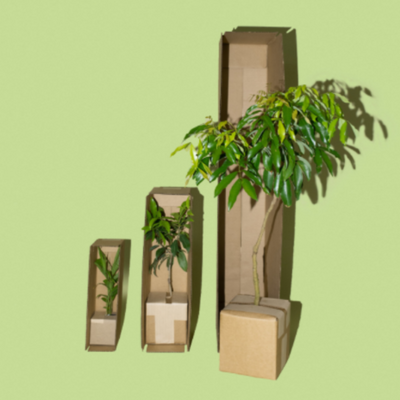
We ship every plant plastic-free and planet-friendly—using compostable packaging, recyclable pots, and carbon-conscious shipping from start to finish. 🌎🌱👉 Our Commitment to Packaging & Shipping Sustainability