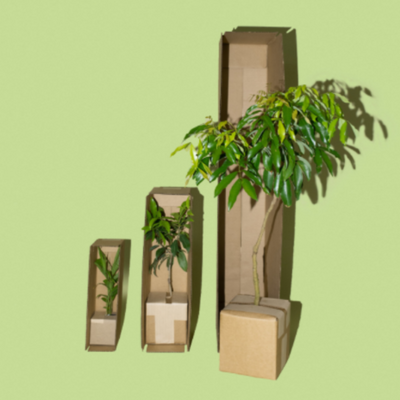



Fig 'Royal Vineyard' (Ficus carica)
Regular price $19.95Deep Purple, Berry-Rich Figs with Classic Vineyard Charm
The Royal Vineyard Fig (Ficus carica 'Royal Vineyard') is a luxurious, fruit-forward fig variety named for its rich flavor profile and dark grape-like appearance. This variety produces deep purple-black skin with vibrant, red-pink flesh that’s sweet, complex, and bursting with notes of berry jam, honey, and earthiness—a true delicacy for fig lovers and fruit connoisseurs.
Perfect for fresh eating, drying, or making preserves, Royal Vineyard combines beauty and performance. The fruit ripens in mid to late summer, often yielding a second crop in long-season climates. It’s a self-fertile, fast-growing tree that’s equally suited to containers or in-ground growing, thanks to its moderate size and adaptability.
This variety does especially well in warm, dry regions but is also a reliable performer across Zones 7–10. With its rich colors, elegant form, and intensely flavored fruit, the Royal Vineyard Fig brings a refined, old-world feel to your food forest or backyard orchard.
Growing Tips
Plant figs in full sun and provide well-draining soil with moderate moisture. Figs are adaptable and drought-tolerant once established, though consistent watering during active growth and fruit development encourages strong growth and reliable fruit production. All varieties are self-fertile, so a single tree can produce fruit, and they can be grown in containers or planted directly in the ground. Figs are perennial, deciduous fruit trees that can begin producing within 1–2 years. Propagate by cuttings, and prune as needed to maintain a manageable size and encourage healthy new growth. Larger varieties can be kept smaller with regular pruning, while Little Ruby naturally remains a compact dwarf variety.
Most varieties are suited to Zones 7–10, while Olympian and Chicago Hardy are especially cold-hardy choices for colder climates. Olympian is cold-hardy to approximately 0°F, while Chicago Hardy can die back during severe freezes and regrow from the roots. Protect young trees from extreme cold, particularly during winter, and consider growing figs in containers that can be moved to a sheltered location in colder climates. Figs are generally dormant during winter, with fruit developing on new wood for most varieties.
Quick Care Guide
| Variety | Size | Harvest | Fruit In | Growth | Zones | Food Forest Layer |
|---|---|---|---|---|---|---|
| Italian Honey | 10–15 ft. | Early + late summer | 1–2 years | Fast | 7–10 | Understory |
| Yellow Long Neck | 8–15 ft. | Mid–late summer | 1–2 years | Fast | 7–10 | Understory |
| Violette de Bordeaux | 6–10 ft. | Early + late summer | 1–2 years | Moderate–fast | 7–10 | Understory |
| Olympian | 8–12 ft. | Mid–late summer | 1–2 years | Fast | 6–10 | Understory |
| Royal Vineyard | 8–12 ft. | Mid–late summer | 1–2 years | Moderate–fast | 7–10 | Understory |
| Brown Turkey | 10–20 ft. | Early + late summer | 1–2 years | Fast | 7–10 | Understory |
| Little Ruby | 3–6 ft. (dwarf) | Summer–fall | 1–2 years | Fast | 7–10 | Understory |
| Celeste | 8–15 ft. | Summer; early breba possible | 1–2 years | Fast | 7–10 | Understory |
| Chicago Hardy | 8–15 ft. | Summer–fall | 1–2 years | Fast | 6–10 | Understory |
All varieties are self-fertile and prefer full sun, moderate water, and well-draining soil. They are perennial, deciduous trees and can be grown in containers or in the ground.


Wondering about your USDA Growing Zone and what you can grow? 🌎🌿 Learn how to find your Zone and grow tropical plants anywhere—Florida to Alaska! 👉 Read the full blog here!
We ship every plant plastic-free and planet-friendly—using compostable packaging, recyclable pots, and carbon-conscious shipping from start to finish. 🌎🌱👉 Our Commitment to Packaging & Shipping Sustainability