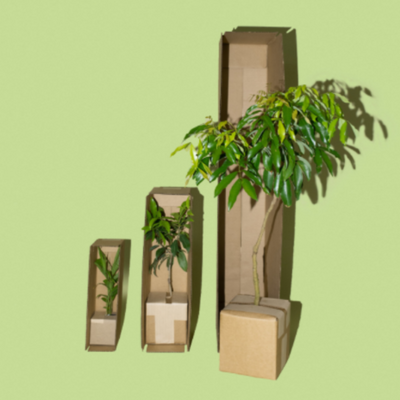


Canistel 'Fairchild #2' (Pouteria campechiana)
Regular price $69.95Canistel, also known as Eggfruit, Yellow Sapote or Tiesa, is a tropical evergreen tree that produces a delicious fruit with a really unique flavor. Canistel fruit tastes like maple syrup coated sweet potatoes with a texture that's simultaneously smooth, dry, creamy, and flaky. This grafted Fairchild #2 Canistel cultivar produces a slightly smaller fruit than other varieties, but can be harvested year-round! The fruit is deliciously moist, not at all chalky, and has a great quality flavor. Canistel fruit should typically be harvested when fruit turn yellow-orange. Allow fruit 3 to 10 days to ripen at room temperature. Ripe fruit is soft but not super mushy.
Canistel is commonly found in Southern Mexico, Central America, parts of Southeast Asia and tropical biomes throughout the world. In the wild it can generally be found in wetland forests in areas of low elevation. Canistel can grow well in a container as long as you provide enough space for root growth. If taking on the task of growing this tropical fruit tree in colder climates, can be dwarfed with the right amount of commitment and can be overwintered indoors.
Growing Tips
Plant Canistel in full sun for highest fruit production or part shade and provide well-draining, sandy soil rich in organic matter. Keep the soil consistently watered, especially during flowering and fruiting, but avoid flooding, as Canistel is completely intolerant of waterlogged conditions. Trees can reach 15–30 ft. but can be maintained at a smaller size in containers with adequate room for root growth. In colder climates, Canistel can be dwarfed and overwintered indoors with the right care. Harvest fruit when it turns yellow-orange, then allow it to ripen at room temperature for 3–10 days. Ripe fruit should be soft but not mushy. Canistel typically fruits from December through March in subtropical climates, though some cultivars can produce fruit year-round. Outdoors, it is suited to Zones 9–11 with frost protection; in colder climates, it can be grown on a patio or in a greenhouse in Zone 4 and above.
Quick Facts
| Attribute | Details |
|---|---|
| Botanical Name | Pouteria campechiana |
| Common Names | Canistel, Eggfruit, Yellow Sapote |
| Family | Sapotaceae |
| Origin | Central America |
| Plant Type | Tropical/Subtropical Evergreen Fruit Tree |
| Life Cycle | Perennial |
| Harvest Season | Winter, Spring, Year-round |
| Typical Harvest | December–March in subtropical climates; varies by variety |
| Fruit Ripening | 3–10 days at room temperature (76–82°F; 24–28°C) |
| Harvest Indicator | Yellow-orange fruit; soft but not mushy when ripe |
| Mature Size | 15–30 ft. |
| Container Growing | Yes; provide adequate room for root growth |
| Soil & Moisture | Well-draining, sandy soil rich in organic matter; consistent watering; intolerant of flooding |
| Light Requirements | Full Sun, Part Shade |
| Self-Fertile | Yes |
| Growth Rate | Fast, Medium |
| Zone Hardiness | Outdoors 9–11 with frost protection; Patio/Greenhouse 4+ |
| Cold Tolerance | Can recover from severe damage at 24°F when established |
| Propagation | Grafted |
| Large Pot Size | Seedlings, Capable of producing fruit within 2–4 years |
| X-Large Pot Size | Grafted, Capable of producing fruit within 1–2 years |
| Fruit | Medium to large, egg-shaped |
| Fruit Flesh | Yellow-orange, creamy, custard-like |
| Fruit Flavor | Sweet, reminiscent of sweet potato or pumpkin |
| Special Traits | Evergreen, self-fertile, container-friendly, can be maintained at a smaller size |
See More:
Shop all of our Canistel varieties.
Shop all of our Pouteria varieties.


Wondering about your USDA Growing Zone and what you can grow? 🌎🌿 Learn how to find your Zone and grow tropical plants anywhere—Florida to Alaska! 👉 Read the full blog here!
We ship every plant plastic-free and planet-friendly—using compostable packaging, recyclable pots, and carbon-conscious shipping from start to finish. 🌎🌱👉 Our Commitment to Packaging & Shipping Sustainability