


Ashitaba (Angelica keiskei)
Sale price $24.95Resilient Coastal Herb with Healing Leaves
Ashitaba (Angelica keiskei) is a striking, herbaceous perennial known for its bold, glossy foliage and vigorous, upright growth. Thick, hollow stems rise from a basal crown, supporting large, deeply lobed leaves that are bright green, tender, and slightly succulent in texture. When cut, the stems exude a golden-yellow sap—a distinctive trait that hints at the plant’s richness. In its second year, it sends up tall flower stalks topped with airy umbels of creamy white blossoms, adding height and a delicate contrast to its otherwise lush form.
Native to the coastal regions of Japan, particularly the Izu Islands, Ashitaba thrives in mild, maritime climates where humidity, ocean breezes, and mineral-rich soils shape its growth. It is remarkably fast-growing and regenerative—its name translates to “tomorrow’s leaf,” reflecting its ability to quickly replace harvested foliage. Highly valued for both its edible leaves and unique phytochemical profile, it stands apart as a plant that is as productive as it is visually distinctive in the garden.
Cultural & Culinary Significance
Ashitaba has been deeply woven into Japanese culture for centuries, especially in the Izu archipelago where it is traditionally consumed as a daily health food. The leaves, stems, and even roots are used in a variety of preparations—from tempura and noodle dishes to teas and powders—valued for their slightly bitter, earthy flavor and nutritional density. In traditional practices, it has been associated with longevity and vitality, often incorporated into regional diets as both nourishment and preventative care. Its golden sap, rich in chalcones, has drawn attention in herbal traditions and modern wellness circles alike. Ashitaba’s enduring presence in coastal communities reflects a deep connection between plant, place, and the rhythms of daily life.
Growing Tips
(Also known as: Tomorrow’s Leaf, Japanese Angelica, Angelica keiskei, Ashitaba)
Ashitaba grows best in full sun to partial shade, with some afternoon protection in hotter climates. It prefers rich, well-draining soil with consistent moisture, thriving in conditions that mimic its native coastal habitat. Regular watering supports continuous leaf production, though the plant can tolerate brief dry periods once established.
It performs best in mild climates and is somewhat sensitive to extreme heat and hard frost, typically suited for USDA Zones 7–10 with protection in colder areas. Apply a balanced fertilizer periodically to encourage vigorous growth. Harvest leaves regularly to promote fresh, tender regrowth and prevent early flowering. Minimal pruning is needed beyond harvesting, though older plants may benefit from division or replacement after flowering. It adapts well to container growing, especially in cooler regions. Growth is fast under ideal conditions, and good airflow helps prevent issues in humid environments. Leaves can be harvested continuously once the plant is established, often within a few months of planting.


Wondering about your USDA Growing Zone and what you can grow? 🌎🌿 Learn how to find your Zone and grow tropical plants anywhere—Florida to Alaska! 👉 Read the full blog here!
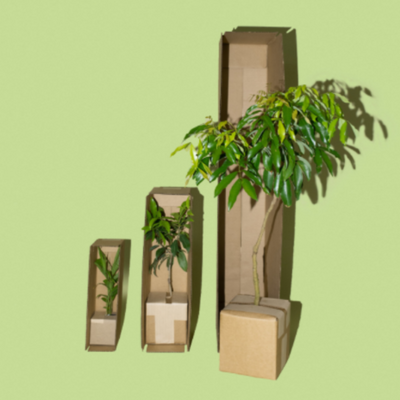
We ship every plant plastic-free and planet-friendly—using compostable packaging, recyclable pots, and carbon-conscious shipping from start to finish. 🌎🌱👉 Our Commitment to Packaging & Shipping Sustainability