


Pineapple 'Florida Special' (Ananas comosus)
Regular price $19.95Florida-Bred Pineapple with Sweet Golden Fruit
The Florida Special Pineapple (Ananas comosus) is a unique variety bred specifically to thrive in the warm, humid conditions of Florida and other subtropical regions. Known for its resilience and ability to tolerate the heat and occasional cold snaps of the state, this pineapple variety produces medium to large, sweet, golden-yellow fruits with a balanced blend of tangy and sweet flavors.
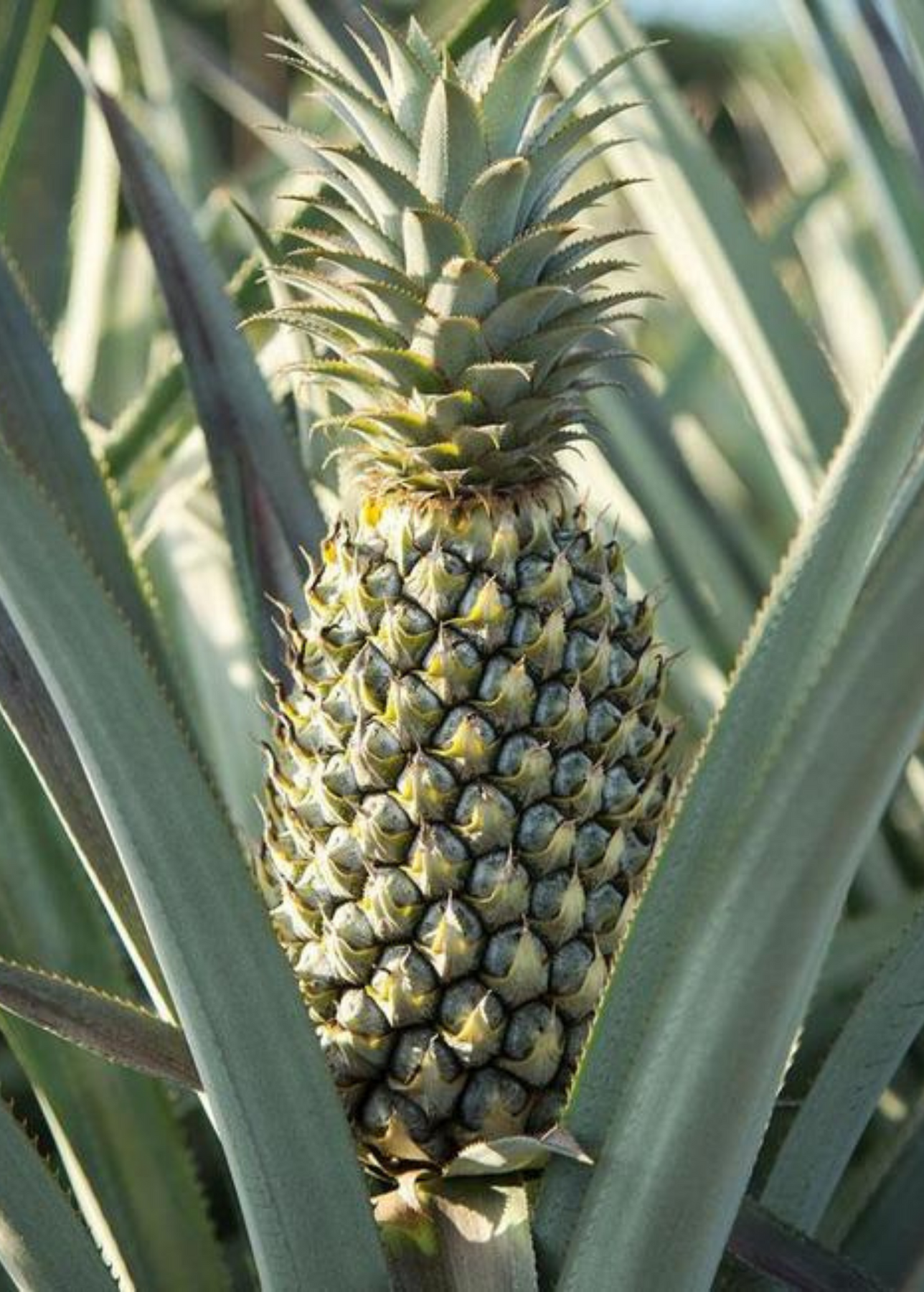
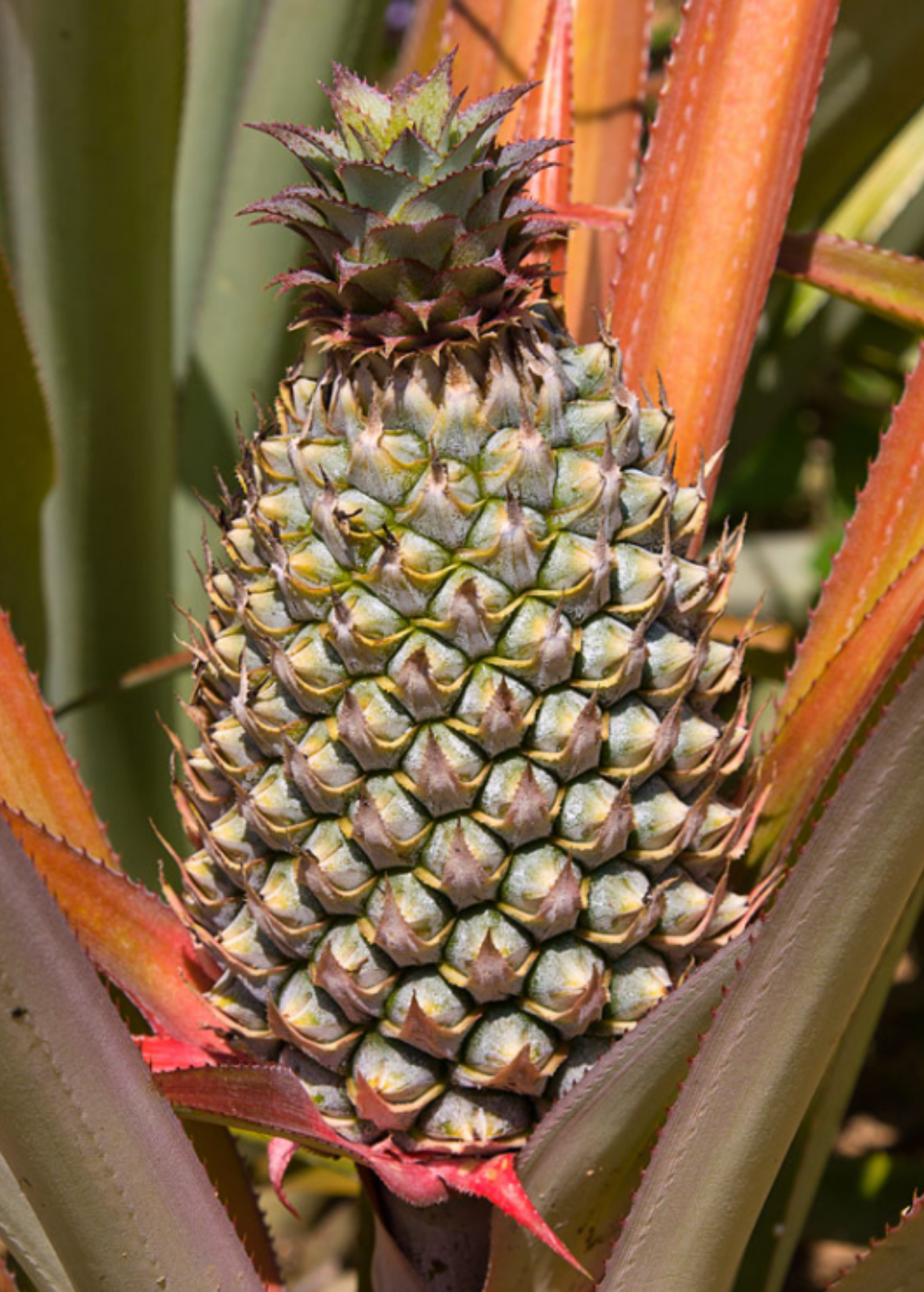
Perfect for fresh eating, juicing, or incorporating into tropical dishes, the Florida Special Pineapple is a versatile and easy-to-grow addition to your garden or patio. The plant features long, spiny green leaves that form a striking rosette, giving it the classic pineapple appearance. Its compact growth habit makes it ideal for garden beds, containers, small spaces, or even indoor growing with adequate sunlight.
Cultural & Culinary Significance
Pineapple is valued for its sweet, juicy fruit and versatility in both fresh and prepared foods. The Florida Special Pineapple was bred specifically for Florida and other subtropical regions, where its resilience allows it to tolerate heat and occasional cold snaps.
Its vibrant golden-yellow flesh has a sweet and mildly tangy flavor, making it ideal for fresh consumption, juicing, smoothies, and tropical recipes. Like other pineapples, it is rich in vitamin C, B vitamins, and manganese, which support immune function and energy production.
Why Grow Florida Special Pineapple?
- Medium to large golden-yellow fruits with sweet, mildly tangy flavor
- Bred for Florida’s warm, humid conditions
- Tolerates heat and occasional cold snaps
- Compact 2–3 ft growth is ideal for containers and small spaces
- Striking spiny rosette adds ornamental appeal
Quick Care Guide
| Plant Type: | Perennial Tropical Fruit |
| Harvest Season: | 18-24 months after planting |
| Mature Size: | 2-3 feet tall, 2-3 feet wide |
| Soil & Moisture: | Well-draining, sandy soil; moderate watering |
| Light Requirements: | Full Sun |
| Growth Rate: | Slow to Moderate |
| Self-fertile: | Yes |
| Zone Hardiness: | Outdoors 9-11; Patio/Greenhouse 4+ |
| Propagation: | Grown from tissue culture, crowns, or offsets. Capable of producing fruit within 18 months. |
Growing Guide for Florida Special Pineapple
Climate and Soil Requirements
- Climate: Florida Special Pineapple is well-adapted to warm, subtropical climates and is best suited for USDA hardiness zones 9-11. It tolerates the heat and occasional cold snaps of Florida, making it ideal for southern gardeners. In cooler climates, it can be grown in containers and moved indoors during cold weather.
- Soil: Pineapples prefer well-draining, sandy soil with a slightly acidic to neutral pH (5.5-7.0). Good drainage is essential to prevent root rot, especially in wetter climates.
Planting
- Location: Choose a sunny location that receives at least 6-8 hours of direct sunlight daily. Full sun is essential for optimal fruit production and healthy growth.
- Soil Preparation: Loosen the soil and mix in organic matter or compost to enhance fertility and drainage.
- Planting Time: Plant in the spring or summer when temperatures are warm.
- Spacing: Space plants 2-3 feet apart to allow for their full growth and spreading habit.
Watering
- Moderate Moisture: Water regularly to keep the soil slightly moist but not waterlogged. Allow the soil to dry slightly between waterings, as pineapples are somewhat drought-tolerant once established.
Sunlight and Fertilizing
- Full Sun: Ensure the plant receives at least 6-8 hours of sunlight per day to promote vigorous growth and fruit development.
- Fertilizing: Apply a balanced, slow-release fertilizer every 6-8 weeks during the growing season. Organic compost or liquid fertilizer can also be used to support fruiting.
Pruning and Maintenance
- Low Maintenance: Florida Special Pineapple is a low-maintenance plant. Remove any dead or damaged leaves to keep the plant tidy and healthy. After harvesting, the mother plant will produce offsets, or "pups," which can be removed and replanted for future fruiting.
- Container Growing: This variety is ideal for container growing, as its compact size makes it suitable for patios or small garden spaces. Ensure the container has good drainage and adequate sunlight.
Pest and Disease Management
- Common Pests: Watch for common pests such as mealybugs, scale, and spider mites. Insecticidal soap or neem oil can help manage infestations.
- Diseases: Florida Special Pineapple is relatively disease-resistant but should be grown in well-draining soil to prevent root rot.
Harvesting Florida Special Pineapples
When to Harvest:
- The Florida Special Pineapple is ready to harvest 18-24 months after planting. The fruit is ripe when it turns golden-yellow and emits a sweet, fruity aroma. The fruit should be firm but slightly soft to the touch.
How to Use:
- Florida Special Pineapple is perfect for fresh eating, juicing, or incorporating into fruit salads, desserts, and tropical dishes. Its sweet and tangy flavor makes it versatile and enjoyable in both sweet and savory recipes.
| Attribute | Details |
|---|---|
| Botanical Name | Ananas comosus |
| Common Names | Pineapple |
| Family | Bromeliaceae |
| Origin | South America |
| Plant Type | Tropical Fruiting Bromeliad |
| Life Cycle | Perennial |
| Mature Size | 2–4 ft. tall and wide |
| Light | Full Sun, Part Shade |
| Water Needs | Moderate; allow soil to dry slightly between waterings |
| Soil | Well-draining, fertile soil |
| Bloom Time | Seasonal |
| Flower Color | Purple, red, and yellow |
| USDA Zones | 9–11; protect from frost |
| Florida Native | No |
| Propagation | Crowns, slips, suckers |
| Seasonal Traits | Evergreen in warm climates |
| Time to Harvest | Approximately 18–24 months, depending on variety and growing conditions |
| Self-Fertile | Yes |
| Growth Rate | Slow |
Sunlight: Pineapples thrive in full sun, needing at least 6-8 hours of direct sunlight daily. Position your plant in a bright location for optimal growth.
Watering: Water your pineapple plant when the soil feels dry about an inch deep. Avoid overwatering, as pineapples prefer slightly dry conditions. Water at the base and ensure good drainage to prevent root rot.
Soil: Use well-draining soil, ideally a cactus or succulent mix, to mimic the pineapple’s natural environment. Pineapples like slightly acidic soil with a pH of 4.5-6.5.
Temperature: Pineapples grow best in warm climates. Ideal temperatures range between 65°F and 95°F. They are not frost-tolerant, so bring them indoors or protect them in colder weather.
Fertilizing: Feed your pineapple plant with a balanced fertilizer every 2-3 months during the growing season. Pineapples benefit from fertilizers rich in nitrogen and potassium.
Container Growing: If growing in a container, choose a pot with good drainage. Pineapple plants do well in 5-gallon pots or larger for ample root space.
Pruning: Remove dead or damaged leaves to keep the plant healthy. After harvesting a fruit, the mother plant may produce side shoots ("pups") that can be transplanted.
Harvesting: Pineapples take about 18-24 months to produce fruit. Harvest when the fruit turns golden and emits a sweet aroma.


Wondering about your USDA Growing Zone and what you can grow? 🌎🌿 Learn how to find your Zone and grow tropical plants anywhere—Florida to Alaska! 👉 Read the full blog here!
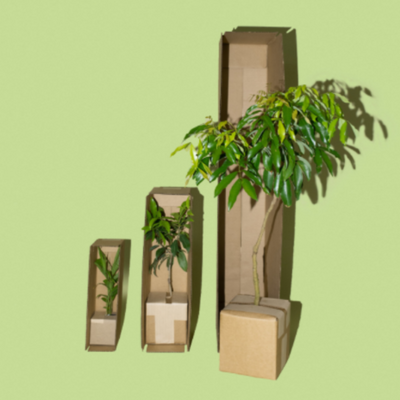
We ship every plant plastic-free and planet-friendly—using compostable packaging, recyclable pots, and carbon-conscious shipping from start to finish. 🌎🌱👉 Our Commitment to Packaging & Shipping Sustainability