


Star Fruit 'Sri Kembangan' (Averrhoa carambola)
Regular price $99.95Sweet, Nutrient-Rich Grafted Variety
Common Names: Star Fruit 'Sri Kembangan', Carambola
Family: Oxalidaceae
Origin: Southeast Asia
Star Fruit 'Sri Kembangan' (Averrhoa carambola) is a highly productive and sweet variety of this exotic tropical fruit. Grafted for faster growth and earlier fruiting, our 'Sri Kembangan' trees are capable of fruiting now, providing a bounty of delicious star-shaped fruit. This variety is known for its exceptionally sweet flavor with minimal tartness, making it ideal for fresh eating, juicing, or adding to salads and desserts. Star fruit is not only tasty but also packed with nutritional benefits. It is low in calories and rich in vitamin C, fiber, and antioxidants, supporting immune health and digestion. The tree itself is compact, making it suitable for home gardens or container growing in tropical and subtropical climates.
Distinctive Features, Uses, and Nutritional Value
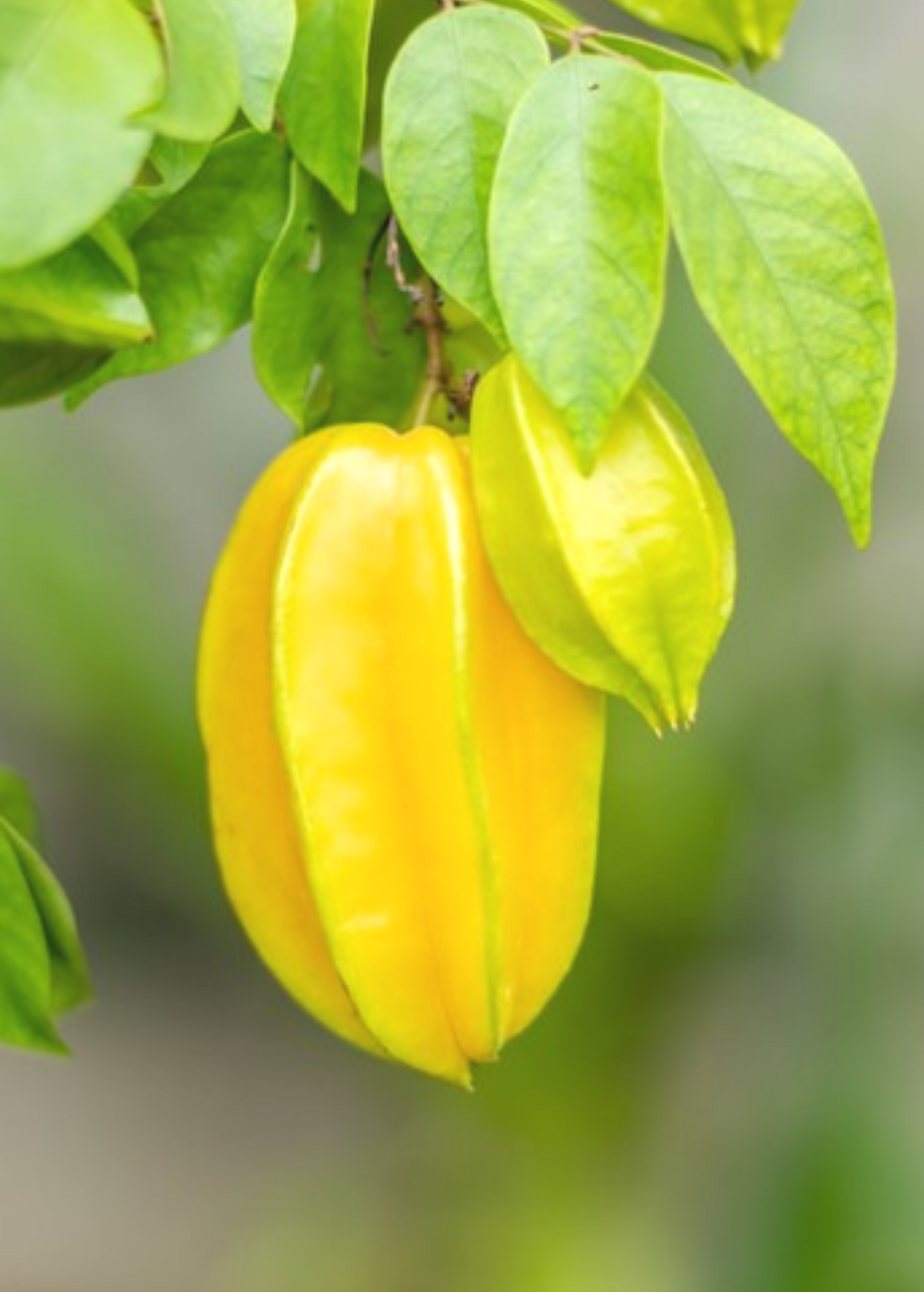
Fruits: The 'Sri Kembangan' variety produces large, golden-yellow star fruits with a sweet, juicy flavor. Each fruit has a unique star-shaped cross-section and a crisp texture. Star fruit is an excellent source of vitamin C, which supports the immune system, skin health, and overall wellness. It is also rich in dietary fiber, which aids digestion, and antioxidants that help combat free radicals. Additionally, the fruit is low in calories and fat, making it a healthy, refreshing snack.
Foliage: The tree has attractive, glossy, green pinnate leaves that fold up at night, adding a dynamic and tropical look to the garden.
Growth Habit: 'Sri Kembangan' is a small to medium-sized evergreen tree that can reach heights of 15-25 feet but can be pruned to maintain a smaller size, making it perfect for home gardens or container growing.
Culinary and Ornamental Uses
Star fruit is highly versatile in the kitchen. Its sweet, slightly tangy flavor makes it perfect for fresh eating, juicing, or adding to fruit salads, smoothies, and desserts. It can also be used as a garnish for drinks or as a decorative addition to meals due to its beautiful star-shaped slices. In addition to its culinary value, the tree itself is highly ornamental, with dense green foliage and clusters of star-shaped fruit that add beauty and an exotic touch to tropical gardens.
| Attribute | Details |
|---|---|
| Botanical Name | Averrhoa carambola |
| Common Names | Star Fruit, Carambola |
| Family | Oxalidaceae |
| Origin | Southeast Asia |
| Plant Type | Tropical to Subtropical Evergreen Fruit Tree |
| Life Cycle | Perennial |
| Mature Size | 20–30 ft. |
| Light | Full Sun, Part Shade |
| Water Needs | Consistent moisture; somewhat drought tolerant once established |
| Soil | Well-draining, slightly acidic soil with a pH of 5.5–6.5; loamy or sandy soil enriched with organic matter |
| Bloom Time | Year-Round in warm climates |
| Flower Color | Pink to purple |
| USDA Zones | 10–11; frost sensitive |
| Florida Native | No |
| Propagation | Seed, grafting |
| Seasonal Traits | Evergreen; can produce multiple crops throughout the year in tropical climates |
| Time to Harvest | 2–3 years from planting |
| Self-Fertile | Yes |
| Growth Rate | Medium to Fast |
Growing Notes
Star Fruit trees need at least 6–8 hours of direct sunlight for the best growth and fruit production. Plant in well-draining soil and keep the soil consistently moist, especially while young and during fruiting. Avoid waterlogged conditions, which can contribute to root rot and fungal issues. When planting multiple trees, allow about 10–15 ft. of spacing for the spreading canopy.
Feed with a balanced, slow-release fertilizer every 2–3 months during the growing season, and supplement with organic compost to support healthy growth. Star Fruit benefits from micronutrients such as magnesium and iron when deficiencies occur. Light pruning can remove dead or damaged branches, improve air circulation, and keep the tree at a manageable size. In containers, provide a large pot with good drainage and prune or repot as the root system develops.
Common pests include aphids, scale, fruit flies, and mealybugs. Inspect plants regularly and use insecticidal soap or neem oil when needed. Fruits are ready to harvest when they turn from green to bright golden-yellow and become slightly soft. They can be harvested by hand or cut from the tree with pruning shears. Ripe fruit can be refrigerated for up to two weeks or allowed to finish ripening at room temperature for a few days.


Wondering about your USDA Growing Zone and what you can grow? 🌎🌿 Learn how to find your Zone and grow tropical plants anywhere—Florida to Alaska! 👉 Read the full blog here!
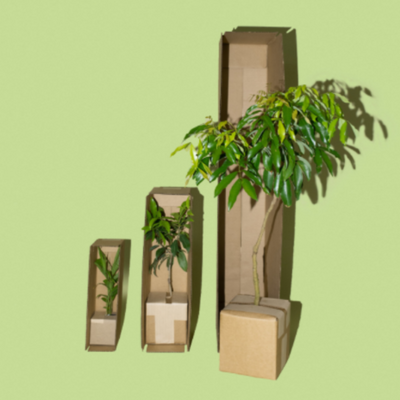
We ship every plant plastic-free and planet-friendly—using compostable packaging, recyclable pots, and carbon-conscious shipping from start to finish. 🌎🌱👉 Our Commitment to Packaging & Shipping Sustainability