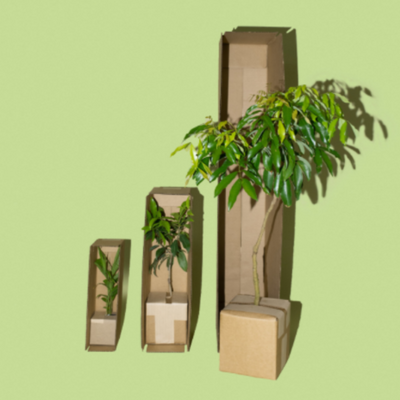



Holy Basil Bundle: Rama + Vana
Regular price $35.91Grow Your Own Tulsi
Build a fragrant herbal garden with our Tulsi Bundle, featuring Rama Tulsi and Vana Tulsi. This thoughtfully curated duo brings together two beloved Tulsi varieties with distinct aromas, growing habits, and long histories in traditional herbalism, creating a beautiful and useful addition to your garden.
This curated collection includes:
Rama Tulsi (Ocimum tenuiflorum) – A classic Tulsi variety with vibrant green foliage and a sweet, aromatic fragrance. Rama Tulsi is cherished for herbal teas and traditional preparations, while its lush growth makes it a beautiful addition to herb gardens and containers.
Vana Tulsi (Ocimum gratissimum) – A vigorous, aromatic Tulsi with fragrant foliage and a warm, clove-like scent. Loved for herbal teas and traditional preparations, Vana Tulsi is also a beautiful, pollinator-friendly addition to the garden when allowed to flower.
Grow these two Tulsi favorites together and create your own fragrant herbal garden, with fresh foliage, aromatic plants, and a living collection rooted in centuries of traditional use.
Quick Care Guide
| Plant Type | Perennial Herb |
| Harvest Season | Year round. Harvesting will encourage growth. |
| Mature Size | 2-5 ft tall and wide |
| Soil & Moisture | Rich, moist, well-draining soil high in organic matter |
| Light Requirements | Full Sun, Part Shade |
| Growth Rate | Fast |
| Self-fertile | Yes |
| Zone Hardiness | Outdoors 9-11; Patio/Greenhouse 4+ |
| Propagation | Grown from seed, capable of harvesting now and within the growing season |
Overview
Tulsi (Ocimum tenuiflorum), also known as Holy Basil, is a sacred herb in Hinduism and is revered for its medicinal and spiritual significance. There are three primary varieties of Tulsi: Krishna, Rama, and Vana. Each variety has unique characteristics but shares similar growing requirements. This guide will help you successfully grow and enjoy the benefits of Krishna, Rama, and Vana Tulsi in your garden.
Climate and Soil Requirements
- Climate: Tulsi thrives in warm, tropical to subtropical climates. It is best suited for USDA hardiness zones 10-11 but can be grown as an annual in cooler climates. The plant prefers temperatures between 70-95°F and does not tolerate frost.
- Soil: Prefers well-draining, fertile soil with a slightly acidic to neutral pH (6.0-7.5). The plant can adapt to various soil types, including sandy and loamy soils.
Planting
- Location: Choose a sunny location that receives at least 6-8 hours of direct sunlight daily. Tulsi can tolerate partial shade but will have better growth and medicinal properties in full sun.
- Soil Preparation: Prepare the soil by tilling and adding compost or organic matter to enhance fertility and drainage.
- Planting Time: Plant seeds or young plants in the spring after the last frost. If starting from seed, sow seeds indoors 6-8 weeks before the last frost and transplant seedlings outdoors once the danger of frost has passed.
- Spacing: Space plants 12-18 inches apart to allow adequate room for growth and air circulation.
Watering
- Establishment Phase: Water regularly to keep the soil consistently moist but not waterlogged during the first year. Consistent moisture is crucial for young plants.
- Mature Plants: Once established, Tulsi is somewhat drought-tolerant. Water deeply and less frequently, allowing the top inch of soil to dry out between waterings.
Sunlight
- Full Sun: Ensure the plants receive at least 6-8 hours of direct sunlight daily for optimal growth and medicinal properties.
Fertilizing
- Growing Season: Apply a balanced, slow-release fertilizer in early spring to promote healthy growth. Supplement with organic matter or compost.
- Frequency: Fertilize every 4-6 weeks during the growing season.
Pruning and Maintenance
- Routine Pruning: Prune regularly to remove dead or yellowing leaves and to shape the plant. Pruning encourages bushier growth and prevents the plant from becoming leggy.
- Flowering: Pinch off flower buds to prolong the leaf production period. Allow some flowers to bloom and set seed if you want to collect seeds for future planting.
Pest and Disease Management
- Common Pests: Monitor for pests such as aphids, spider mites, and whiteflies. Use insecticidal soap or neem oil to control infestations.
- Diseases: Watch for signs of fungal diseases such as powdery mildew and root rot. Ensure proper spacing, good air circulation, and avoid overhead watering to reduce disease risk. Apply fungicides if necessary.
Harvesting Leaves
- When to Harvest: Harvest leaves as needed throughout the growing season. The best time to harvest is in the morning after the dew has dried, when the essential oils are most concentrated.
- How to Harvest: Use scissors or garden shears to cut the leaves, taking care not to damage the main stems. Harvesting regularly encourages new growth and maintains the plant's shape.
Krishna Tulsi
- Description: Krishna Tulsi has dark purple stems and leaves with a strong, spicy aroma. It is considered the most medicinally potent variety.
- Uses: Commonly used in Ayurvedic medicine for its anti-inflammatory, antioxidant, and immune-boosting properties.
Rama Tulsi
- Description: Rama Tulsi has bright green leaves and a milder aroma compared to Krishna Tulsi. It is widely grown and used for its soothing properties.
- Uses: Often used in teas and herbal remedies to promote relaxation and stress relief.
Vana Tulsi
- Description: Vana Tulsi, also known as Wild Tulsi, has light green leaves and a lemony aroma. It grows more vigorously and can reach a larger size than Krishna and Rama varieties.
- Uses: Known for its adaptogenic properties, Vana Tulsi is used to improve overall health and resilience to stress.


Wondering about your USDA Growing Zone and what you can grow? 🌎🌿 Learn how to find your Zone and grow tropical plants anywhere—Florida to Alaska! 👉 Read the full blog here!
We ship every plant plastic-free and planet-friendly—using compostable packaging, recyclable pots, and carbon-conscious shipping from start to finish. 🌎🌱👉 Our Commitment to Packaging & Shipping Sustainability