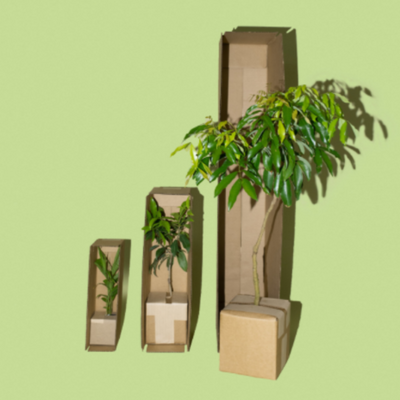



Bilimbi (Averrhoa bilimbi)
Sale price $24.95One exotic plant that will pique the interest of any life long food forester or curious chef is Bilimbi (Averrhoa bilimbi, Cucumber Tree Fruit, Tree Sorrel, Kamias, Mimbro). Bilimbi grows wild and in cultivation in the warmest parts of Southeast Asia, throughout Indonesia, Malaysia, the Philippines, India, and Sri Lanka.
Bilimbi grows shrublike, from a short trunk that expands with upright branches. As a member of the Averrhoa genus, it is similar in growing nature and closely related to starfruit trees, but is different in looks, fruit, flavor, and use. This tropical tree species is very cold sensitive, and needs close oversight in its early growing stages.
Bilimbi trees will flower directly from the trunk in the late winter and early spring. The cylindrical fruits will follow shortly after, changing color from bright green to yellow-ivory over time. Fruits may fall to the ground when ripe, and will bruise easily because of thin skin. Looking out for a change in color is a good way to gauge fruit readiness. Bilimbi bears sour and acidic fruit that makes it a staple in any plate that needs an acidic balance. The fruit is rarely eaten raw, but the juice can be used in place of vinegar to add a bitter element to salads, soups, curries, and more. The oxalic acid content of bilimbi fruit is what contributes to its trademark taste and place on plates around the world.
Fun Fact: Bilimbi is related to Star Fruit!
| Attribute | Details |
|---|---|
| Botanical Name | Averrhoa carambola |
| Common Names | Star Fruit, Carambola |
| Family | Oxalidaceae |
| Origin | Southeast Asia |
| Plant Type | Tropical to Subtropical Evergreen Fruit Tree |
| Life Cycle | Perennial |
| Mature Size | 20–30 ft. |
| Light | Full Sun, Part Shade |
| Water Needs | Consistent moisture; somewhat drought tolerant once established |
| Soil | Well-draining, slightly acidic soil with a pH of 5.5–6.5; loamy or sandy soil enriched with organic matter |
| Bloom Time | Year-Round in warm climates |
| Flower Color | Pink to purple |
| USDA Zones | 10–11; frost sensitive |
| Florida Native | No |
| Propagation | Seed, grafting |
| Seasonal Traits | Evergreen; can produce multiple crops throughout the year in tropical climates |
| Time to Harvest | 2–3 years from planting |
| Self-Fertile | Yes |
| Growth Rate | Medium to Fast |
Growing Notes
Star Fruit trees need at least 6–8 hours of direct sunlight for the best growth and fruit production. Plant in well-draining soil and keep the soil consistently moist, especially while young and during fruiting. Avoid waterlogged conditions, which can contribute to root rot and fungal issues. When planting multiple trees, allow about 10–15 ft. of spacing for the spreading canopy.
Feed with a balanced, slow-release fertilizer every 2–3 months during the growing season, and supplement with organic compost to support healthy growth. Star Fruit benefits from micronutrients such as magnesium and iron when deficiencies occur. Light pruning can remove dead or damaged branches, improve air circulation, and keep the tree at a manageable size. In containers, provide a large pot with good drainage and prune or repot as the root system develops.
Common pests include aphids, scale, fruit flies, and mealybugs. Inspect plants regularly and use insecticidal soap or neem oil when needed. Fruits are ready to harvest when they turn from green to bright golden-yellow and become slightly soft. They can be harvested by hand or cut from the tree with pruning shears. Ripe fruit can be refrigerated for up to two weeks or allowed to finish ripening at room temperature for a few days.


Wondering about your USDA Growing Zone and what you can grow? 🌎🌿 Learn how to find your Zone and grow tropical plants anywhere—Florida to Alaska! 👉 Read the full blog here!
We ship every plant plastic-free and planet-friendly—using compostable packaging, recyclable pots, and carbon-conscious shipping from start to finish. 🌎🌱👉 Our Commitment to Packaging & Shipping Sustainability