


Blackberry, Thornless 'Ponca' (Rubus fruticosus ‘Ponca’)
Regular price $19.95Sweet, Thornless Berries with Exceptional Flavor
Ponca Blackberry is a refined, thornless cultivar prized for its upright, manageable growth and early-season harvests of glossy, jet-black berries. The canes grow tidy and erect, lined with deep green, serrated foliage that creates a lush, productive hedge. In spring, delicate white blossoms emerge, giving way to medium-sized berries with a firm texture and a rich, balanced sweetness layered with subtle floral notes. The fruit ripens evenly and holds well on the plant, making harvesting easy and rewarding.
Developed for flavor, productivity, and ease, this modern blackberry cultivar stands out for its low chill requirement and adaptability to a wide range of growing conditions. Unlike wild brambles, Ponca offers a cleaner, more compact habit without thorns, making it ideal for home growers seeking high-quality fruit without the hassle. Its berries are excellent fresh, but also hold their integrity in preserves, baking, and freezing.
Cultural & Culinary Significance
Blackberries, including cultivated forms like Ponca, have long been woven into culinary traditions across Europe and North America, where wild brambles have been foraged for centuries. The fruit is a staple in seasonal desserts—pies, cobblers, jams, and syrups—celebrated for its deep color and complex flavor. In many rural communities, blackberry picking is a seasonal ritual, marking the transition from spring to summer. Beyond fresh eating, blackberries have been used in traditional herbal preparations, with leaves brewed into teas and fruits valued for their antioxidant properties. Ponca continues this legacy with a modern twist—bringing orchard-quality fruit into backyard gardens with ease and consistency.
Growing Tips
Low-chill blackberries including Snowbank, Natchez, Ponca, and Apache are fast-growing, self-fertile perennial fruiting shrubs that thrive in full sun and rich, well-draining soil. They typically reach 6–12 ft. depending on the variety and can be grown in the ground or trained along a trellis, fence, or other support. Provide regular moisture during active growth and fruit development, while avoiding consistently soggy soil.
Blackberries have a unique growth cycle: the roots are perennial, while the canes are biennial. New canes that emerge in spring generally grow vegetatively during their first year and produce fruit the following year. After fruiting, those older canes naturally die back and should be removed through pruning. Regular pruning helps maintain healthy growth, improves airflow, and maximizes berry production. Because these varieties are low-chill, they are well suited to regions with mild winters and can also be grown in containers in colder climates.
Quick Care Guide
| Variety | Harvest | Size | Growth | Zones |
|---|---|---|---|---|
| Snowbank | Spring–summer | 6–12 ft. | Fast | 6–9 |
| Natchez | Spring–summer | 6–12 ft. | Fast | 6–9 |
| Ponca | Spring–summer | 6–12 ft. | Fast | 6–9 |
| Apache | Spring–summer | 6–12 ft. | Fast | 6–9 |
Care: All varieties are self-fertile and prefer full sun, rich well-draining soil, and regular moisture during active growth and fruiting. They are perennial at the root with biennial fruiting canes.


Wondering about your USDA Growing Zone and what you can grow? 🌎🌿 Learn how to find your Zone and grow tropical plants anywhere—Florida to Alaska! 👉 Read the full blog here!
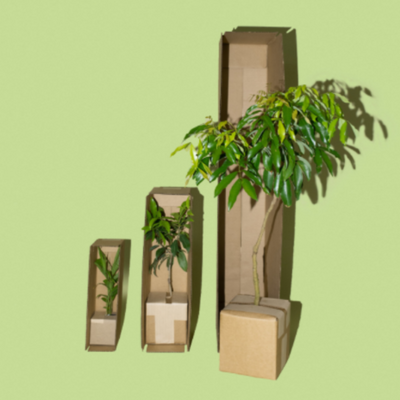
We ship every plant plastic-free and planet-friendly—using compostable packaging, recyclable pots, and carbon-conscious shipping from start to finish. 🌎🌱👉 Our Commitment to Packaging & Shipping Sustainability