


Banana 'Mona Lisa' (Musa acuminata)
Regular price $19.95Compact Tropical Banana with Sweet, Mild Fruit
The Mona Lisa Banana produces broad, lush green leaves emerging from a sturdy, fast-growing pseudostem that forms compact clumps ideal for home gardens and edible landscapes. The plant has a clean, upright tropical habit with strong wind tolerance and a manageable height compared to larger dessert banana types. Fruit develops in heavy hands of smooth-skinned bananas that ripen to a soft yellow, offering a creamy texture and gentle sweetness.
Native to Southeast Asian and Indo-Pacific banana lineages, Musa acuminata selections like ‘Mona Lisa’ are widely cultivated across warm regions for their adaptability, productivity, and resilience. This variety is especially valued for its reliable fruiting, ornamental presence, and ease of culture in subtropical to tropical environments. Beyond its fruit, the plant contributes bold tropical structure and rapid canopy formation in food forest systems.
Cultural & Culinary Significance
Bananas have been cultivated for thousands of years across tropical Asia, the Pacific Islands, and later throughout Africa and the Americas, becoming one of the world’s most important staple fruits. Musa acuminata is a primary genetic contributor to modern dessert bananas, shaping the global banana industry.
The Mona Lisa type is grown for fresh eating, valued for its mild sweetness and smooth texture. Bananas are widely used in traditional cuisines worldwide—eaten fresh, fried, baked, or blended into beverages and desserts. Nutritionally, bananas are known for their rich content of potassium, vitamin C, vitamin B6, magnesium, fiber, and other essential micronutrients, making them a foundational fruit in many diets.
Why Grow Mona Lisa Banana?
- Produces sweet, mild-flavored dessert bananas
- Fast-growing and highly productive in warm climates
- Compact form suitable for smaller gardens and containers
- Heat tolerant with strong disease resilience
- Provides bold tropical foliage and edible yields
Quick Care Guide
| Plant Type |
Perennial Fruiting Plant / Ornamental Plant |
| Harvest Season |
Varies by variety; typically year-round in suitable climates |
| Mature Size |
6-25 feet tall, depending on the variety; 6-10 feet wide |
| Soil & Moisture |
Rich, well-draining soil; consistently moist but not waterlogged |
| Light Requirements |
Full Sun to Partial Shade (depending on the variety) |
| Growth Rate | Fast |
| Self-fertile | Yes |
| Zone Hardiness | Outdoors 9-11; Patio/Greenhouse 4+ |
| Propagation |
Grown from tissue culture, offsets (pups), or rhizome divisions; most varieties produce pups within a growing season, and mature plants can fruit within 9-20 months depending on the size and variety. |
Full Growing Guide
Did you know? The banana plant is actually an evergreen perennial fruiting herb, not a tree! The large ‘trunk’ is actually a pseudostem, which is made of bulky, leafy layers that emerge and wither over time. Banana plants are fast-growing, and prone to reproducing new plants through mini clones known as suckers.
Banana plants are a striking addition to any garden, offering lush foliage and, in some varieties, delicious fruit. While Sow Exotic carries a diverse range of banana varieties, from the rare and exotic to the more common types, the general care for banana plants is quite similar across the board. Here's a comprehensive guide to help you nurture these tropical beauties, ensuring they thrive in your garden.
Climate and Sunlight
Bananas are tropical and subtropical plants, thriving in warm climates with plenty of sunlight. They prefer full sun, receiving at least 6-8 hours of direct light each day. However, some varieties can tolerate partial shade, especially in hotter climates where too much direct sun can scorch the leaves. For those in cooler regions, growing bananas in pots that can be moved indoors during the colder months is an ideal solution.
Soil Requirements
Banana plants prefer rich, well-draining soil with a slightly acidic to neutral pH (5.5-7.0). Amending your soil with organic matter, such as compost or well-rotted manure, can help create the ideal growing environment. Good drainage is crucial, as banana plants are susceptible to root rot if left in waterlogged conditions. Bananas like to be planted high on a mound in rich, moist but well-drained, nitrogen-rich soil, and humid conditions similar to their native tropical and subtropical regions. In well-drained soil, bananas can almost never get too much water, sunlight, and nutrients. Water regularly to maintain leaves and promote fruit production.
Watering Needs
Thrives in ample humidity! Bananas are water-loving plants, requiring consistent moisture to thrive. Water deeply and regularly, ensuring the soil remains moist but not waterlogged. Mulching around the base of the plant can help retain soil moisture and keep the roots cool. During the hottest parts of the year, you may need to water more frequently to prevent the soil from drying out. However, avoid letting the plant sit in standing water, as this can lead to root rot.
Fertilization
Bananas are heavy feeders and benefit from regular fertilization. Use a balanced fertilizer with an NPK ratio of 10-10-10 or similar, applying it every 4-6 weeks during the growing season. You can also supplement with organic options like compost tea, fish emulsion, or well-aged manure to provide additional nutrients. Be sure to water the plant thoroughly after fertilizing to prevent root burn.
Mature Size
Really varies depending on variety. Some dwarf banana varieties grow only to 2-3 ft where other banana types reach up to 40 ft tall. Most banana plants can be grown easily in containers and overwintered indoors if needed. We recommend a minimum 7 gal. planter size. Banana plants are fast-growing, and prone to reproducing new plants through mini clones known as suckers.
Pruning and Maintenance
Banana plants require minimal pruning. Remove any dead or damaged leaves to keep the plant healthy and attractive. After a banana plant produces fruit, it will die back. Cut the spent pseudostem (the trunk-like structure) to the ground level to allow space for new pups (offshoots) to grow. It's essential to manage these pups by allowing only the strongest ones to mature, as overcrowding can reduce fruit production.
Pests and Diseases
Banana plants can be susceptible to pests like aphids, spider mites, and banana weevils. Regularly inspect your plants for signs of infestation and treat them promptly with insecticidal soap or neem oil if needed. Diseases such as Panama disease or banana bunchy top virus can also affect bananas, so it's crucial to source your plants from reputable suppliers like Sow Exotic and to maintain good garden hygiene.
Harvesting
For fruiting varieties, bananas are typically ready to harvest 75-80 days after flowering. Harvest the bunch when the fruits are full-sized but still green. They will ripen off the plant. Cut the entire stalk with a sharp knife and hang it in a cool, shaded area to allow the bananas to ripen evenly. Some ornamental varieties may not produce edible fruit, but their vibrant foliage and unique flowers are enough to make them a garden centerpiece.
Harvest can be year-round, but most predominantly in the warm summer months. With good care, bananas are capable of producing fruit within the first 15-18 months of planting. It will take 9-15 months before the tree starts flowering and an additional 2-6 months before the bananas are ready to be picked. (Expect approximately 3-6 months less time from planting to fruit for Banana plants in our XL Pot Size)
Final Tips
Whether you're growing bananas for their fruit or ornamental value, providing the right care will ensure they thrive and bring a touch of the tropics to your garden. Pair this general guide with the specific care instructions for your chosen variety to maximize your success. Happy gardening!


Wondering about your USDA Growing Zone and what you can grow? 🌎🌿 Learn how to find your Zone and grow tropical plants anywhere—Florida to Alaska! 👉 Read the full blog here!
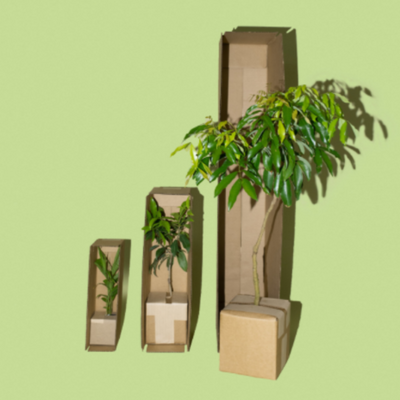
We ship every plant plastic-free and planet-friendly—using compostable packaging, recyclable pots, and carbon-conscious shipping from start to finish. 🌎🌱👉 Our Commitment to Packaging & Shipping Sustainability