


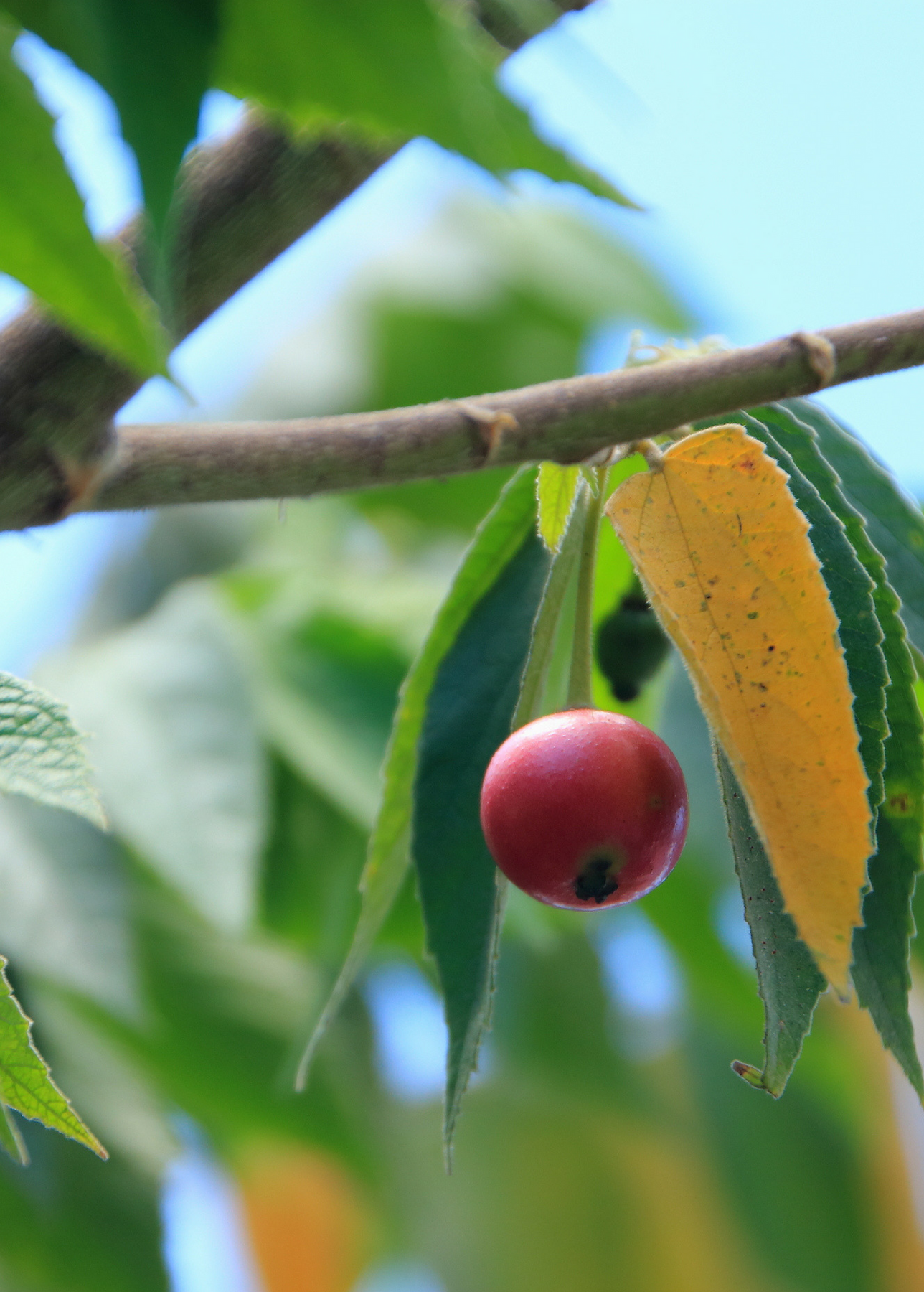
Strawberry Tree, Red (Muntingia calabura)
Regular price $19.95Buttered Popcorn and Cotton Candy Flavor
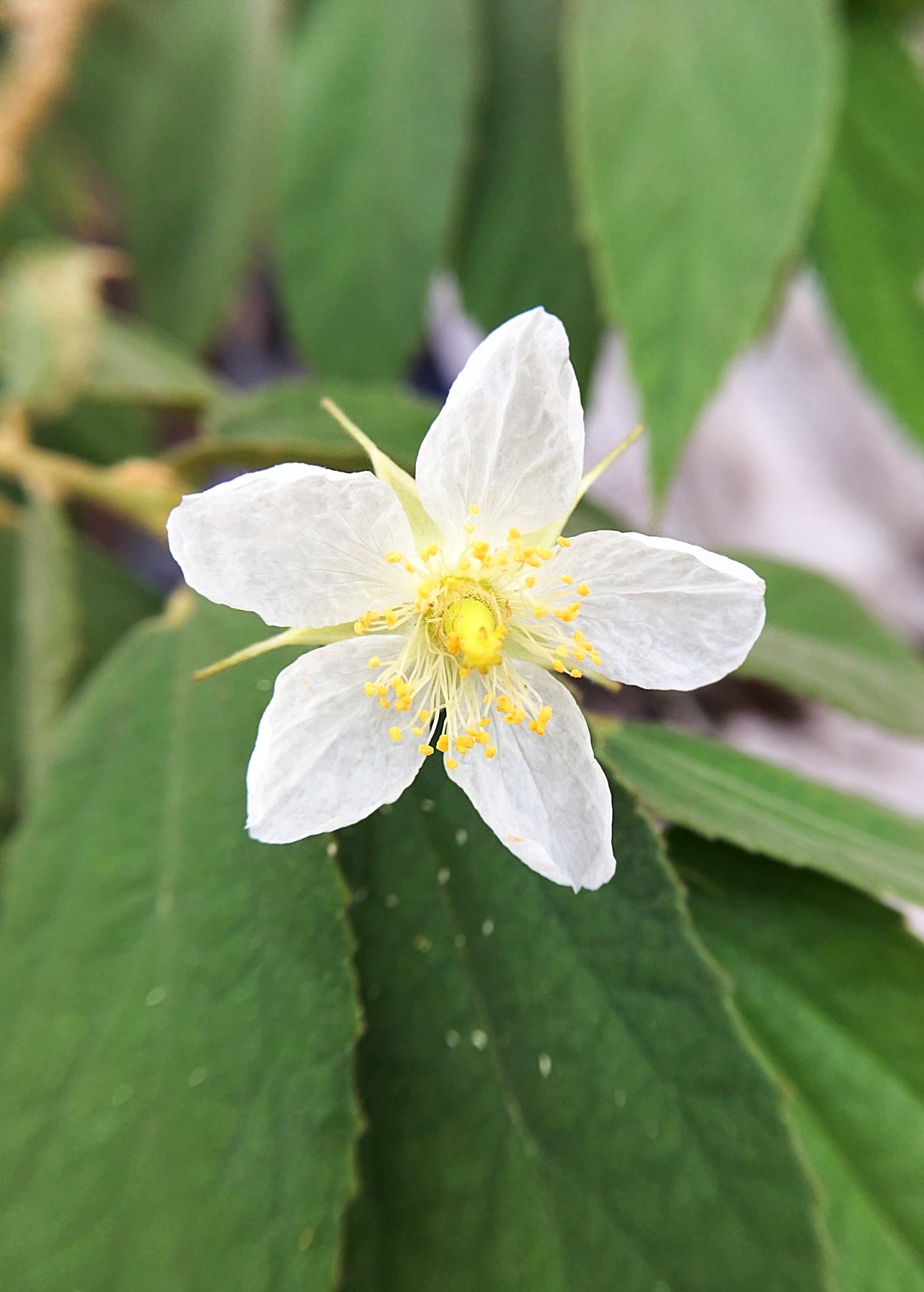
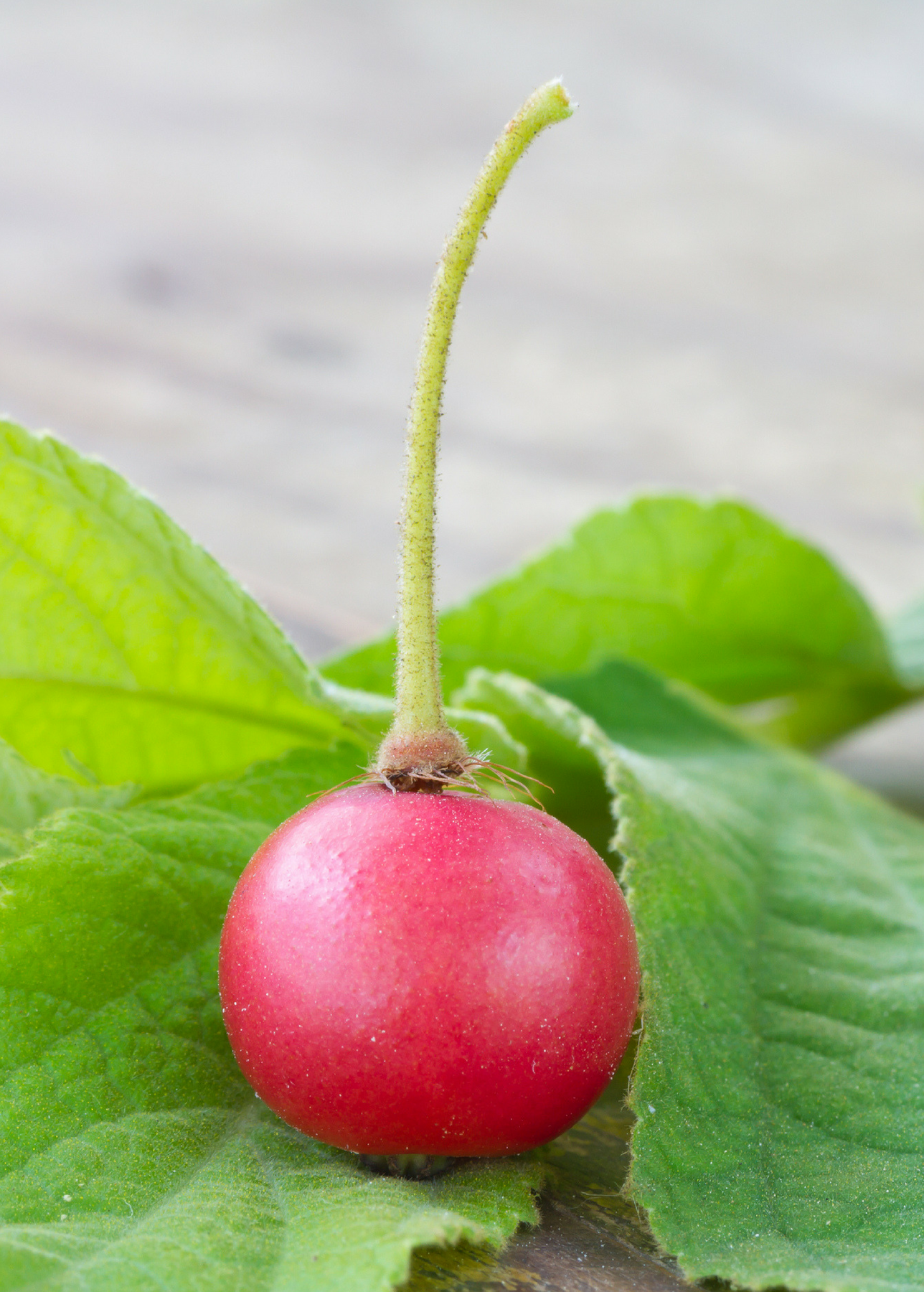
Strawberry Tree, Red (Muntingia calabura) is a small to medium-sized, fast-growing tropical to subtropical fruit tree or shrub that will amaze you with its fantastic flavor. The tiny red fruits are bite-size edible berries that resemble cherries and ripen quickly, with a uniquely sweet flavor often described as a combination of buttered popcorn and cotton candy. Small white flowers resemble those of a strawberry plant and are followed by tons of bright red fruit. Beloved by birds and squirrels, Strawberry Tree fruits so prolifically, almost all year long, that there’s more than enough fruit for everyone to enjoy abundantly.
You will not find this rare fruit at market, even in its native range, due to its short shelf life, so picking it straight from the tree and eating it fresh is a must if you want to experience this wholesome and exotic flavor. Strawberry Tree is easy to grow and thrives with little care. The plant has its roots in Central and South America, with its native range stretching from Southern Mexico through the Caribbean and south to Peru. Muntingia calabura is also known as Strawberry Tree, Jamaican Cherry, Cotton Candy Berry, Panama Berry, Bajelly Tree, Singapore Cherry, Sabah Cherry, Panama Cherry, Jam Tree, and Calabura.
Cultural & Culinary Significance
Strawberry Tree is prized for its unusual fresh fruit, which is rarely encountered in markets because of its extremely short shelf life. The berries are best enjoyed straight from the tree, where their distinctive sweet flavor can be experienced at peak freshness. The prolific fruit is also an important food source for birds and squirrels.
Why Grow Strawberry Tree?
- Produces abundant bite-size red berries with an unforgettable cotton candy and buttered popcorn flavor
- Fruits almost all year long in warm climates
- Fast-growing and easy to grow with little care
- Small white flowers add ornamental interest before fruit develops
- Provides abundant fresh fruit for both people and wildlife
Quick Care Guide
| Plant Type: | Perennial Evergreen Fruit Tree |
| Harvest Season: | Year-round in warm climates, most heavy production in the summer. |
| Mature Size: | 20-30 feet tall, 20-25 feet wide |
| Soil & Moisture: | Well-draining, fertile soil; drought-tolerant but benefits from moderate watering |
| Light Requirements: | Full Sun to Partial Shade |
| Growth Rate: | Very Fast |
| Self-fertile: | Yes |
| Zone Hardiness: | Outdoors 9-11; Patio/Greenhouse 4+; Grown in containers indoors in cooler zones |
| Propagation: | Grown from seeds. Our medium Pot size fruits within 1-2 years. Our X-Large pot sizes are capable of fruiting now. |
Growing Guide for Strawberry Tree
Climate and Soil Requirements
- Climate: The Strawberry Tree thrives in warm, tropical and subtropical climates and is best suited for USDA hardiness zones 9-11. It is highly adaptable and can tolerate drought and poor soils but grows best in warm, sunny conditions. In cooler regions, it can be grown in containers and brought indoors during winter.
- Soil: The tree prefers well-draining, fertile soil but is highly adaptable and can grow in a variety of soil types, including sandy and rocky soils. It does well in slightly acidic to neutral pH (5.5-7.0).
Planting
- Location: Choose a sunny location that receives at least 6-8 hours of sunlight daily. Full sun promotes rapid growth and abundant fruiting.
- Soil Preparation: Loosen the soil and mix in compost or organic matter to improve fertility and drainage.
- Planting Time: Plant in the spring or summer when temperatures are warm.
- Spacing: Space trees 20-25 feet apart to allow for their wide, spreading growth habit.
Watering
- Drought Tolerant: Although the tree is drought-tolerant, it benefits from regular watering, especially during fruiting. Water deeply once the top 1-2 inches of soil has dried out. Avoid waterlogging the soil, as the tree prefers well-drained conditions.
Sunlight and Fertilizing
- Full Sun: Provide the tree with at least 6-8 hours of direct sunlight daily for optimal growth and fruit production.
- Fertilizing: Apply a balanced, slow-release fertilizer every 6-8 weeks during the growing season to support healthy growth. Organic compost can also be added to improve soil fertility.
Pruning and Maintenance
- Low Maintenance: The Strawberry Tree requires minimal pruning. Prune away any dead or damaged branches to maintain its shape and encourage healthy growth.
- Container Growing: If growing in a container, ensure the pot has good drainage and use a well-draining potting mix. Container-grown trees may need more frequent watering.
Pest and Disease Management
- Common Pests: The tree is relatively pest-resistant but may attract fruit flies or aphids. Use insecticidal soap or neem oil to manage infestations.
- Diseases: The Strawberry Tree is generally disease-resistant but ensure good drainage to avoid root rot.
Harvesting Strawberry Tree Fruit
When to Harvest:
- The fruits are ready to harvest when they turn bright and are slightly soft to the touch. The berries ripen year-round in warm climates and can be picked regularly as they mature. The tree begins producing fruit within 1-2 years after planting.
How to Use:
- The sweet berries can be eaten fresh, used in jams, jellies, pies, or added to fruit salads. They can also be blended into beverages or used to make syrups.


Wondering about your USDA Growing Zone and what you can grow? 🌎🌿 Learn how to find your Zone and grow tropical plants anywhere—Florida to Alaska! 👉 Read the full blog here!
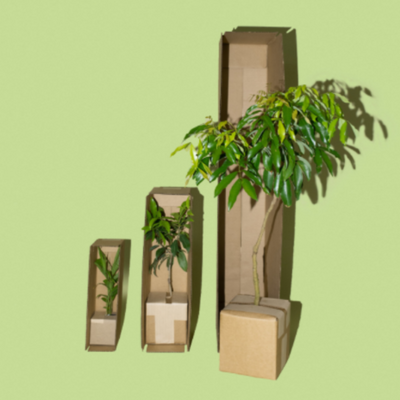
We ship every plant plastic-free and planet-friendly—using compostable packaging, recyclable pots, and carbon-conscious shipping from start to finish. 🌎🌱👉 Our Commitment to Packaging & Shipping Sustainability