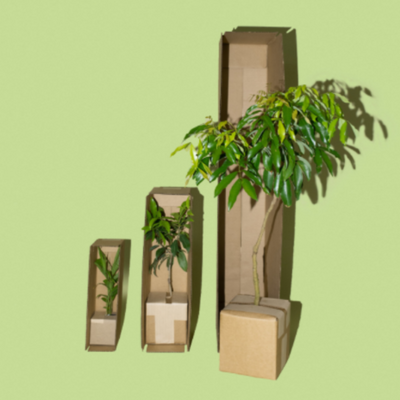



Ilama, Genova Red (Annona diversifolia)
Regular price $169.95*SUPER LIMITED RELEASE*
Velvety Crimson Highland Custard Fruit
Ilama ‘Genova Red’ is a rare tropical fruiting tree prized for its striking rose-to-deep crimson fruit, creamy texture, and lush, tropical foliage. The tree forms a small to medium upright canopy with elongated, matte green leaves that give off a soft, velvety appearance in full sun. During bloom, it produces discreet, waxy flowers along older wood before setting its uniquely sculpted fruit, which develops into rounded to heart-shaped forms with a knobby, scale-like exterior that blushes from green to pink and finally deep red when ripe. Inside, the flesh is custard-soft, aromatic, and richly sweet with notes of berry cream, vanilla, and tropical citrus.
Native to the mid-elevation tropical regions of Guatemala and surrounding Central American highlands, Annona diversifolia thrives in warm climates with distinct wet and dry seasons. ‘Genova Red’ is especially valued for its intense coloration and dessert-quality flavor, making it a standout among ilama selections. It is both a collector’s rarity and a functional food forest tree, offering beauty, productivity, and sensory richness in a single specimen. The fruit is typically eaten fresh when fully ripe and softened, often chilled to enhance its custard-like texture and aromatic complexity.
Cultural & Culinary Significance
Ilama has long been cultivated in parts of Guatemala and southern Mexico, where it is deeply embedded in regional food traditions and seasonal fruit culture. The fruit is typically enjoyed fresh, often split open and eaten with a spoon once the flesh reaches peak softness. In local markets, it is considered a seasonal delicacy, prized for its limited harvest window and rich, dessert-like flavor. While less widely commercialized than other Annona species, ilama holds cultural importance as a heritage fruit tree passed through home gardens and small orchards. Its presence reflects traditional agroforestry systems where fruit trees are integrated into diverse, multi-layered landscapes that support both nutrition and ecological balance.
Why Grow Ilama ‘Genova Red’?
- Produces rare, richly flavored crimson custard fruit
- Highly ornamental tropical foliage and sculptural fruit form
- Collector-level rarity among Annona species
- Valuable seasonal fruit for fresh eating and desserts
- Supports biodiverse, tropical food forest systems
Growing Tips
(Also known as: Ilama, Red Ilama, Genova Red Ilama, Annona diversifolia, Tropical Custard Apple, Papauce)
Ilama ‘Genova Red’ thrives in full sun to partial shade with protection from strong winds and cold temperatures. It prefers deep, well-draining soils rich in organic matter and performs best in warm, humid tropical or subtropical environments. Consistent moisture during active growth supports flowering and fruit development, though the tree should never sit in waterlogged soil. Mulching is beneficial to stabilize soil temperature and retain moisture during dry periods.
This species is moderately cold-sensitive and grows best in USDA tropical zones where frost is absent or very light. Fertilize during the growing season with a balanced fruit tree fertilizer to support canopy development and fruit production. Light pruning can be done to shape the tree and improve airflow, especially in humid climates where density can increase disease pressure. Container cultivation is possible when young, though in-ground planting is preferred for long-term vigor and fruiting potential.
Growth is moderate, and trees may take several years to establish before producing fruit reliably. Hand pollination can improve fruit set in some environments where natural pollinators are limited. Fruit typically ripens in late summer to fall, depending on climate and elevation, and should be harvested when the skin softens and the aroma becomes noticeable.
Quick Facts
| Attribute | Details |
|---|---|
| Botanical Name | Annona spp. (various species including A. squamosa, A. reticulata, A. muricata, A. glabra, A. cherimola) |
| Common Names | Sugar Apple, Red Custard Apple, Soursop, Pond Apple, Cherimoya, Annona |
| Family | Annonaceae |
| Origin | Tropical Americas (Caribbean, Central & South America) |
| Plant Type | Tropical/Subtropical Evergreen or Semi-Deciduous Fruit Tree/Shrub |
| Life Cycle | Perennial |
| Mature Size | Up to 35 ft. |
| Light | Full Sun, Part Shade (best fruit production with more sun) |
| Water Needs | Moderate to High (regular moisture; avoid waterlogging; deep watering during growing/fruiting seasons; reduced watering in winter dormancy) |
| Soil | Rich, well-drained, slightly acidic soil |
| Bloom Time | Spring to Summer |
| Flower Color | Greenish-Yellow to Pale Green |
| USDA Zones | Outdoors 9–11 (with frost protection until established); Patio/Greenhouse 4+ |
| Florida Native | No |
| Propagation | Seed, Air-layering (our Annonas are grown from seed and air-layering and can fruit in 2–5 years) |
| Seasonal Traits | Semi-Deciduous in cooler temps; may defoliate below ~40°F; evergreen in deep tropics |
| Growth Rate | Fast to Medium |
| Self-Fertile | Yes |
| Harvest Season | Late Summer – Fall |
| Time to Harvest | 2–5 Years (varies by species and growing conditions) |
| Notes | Annona (from Taíno annon) is a genus in the pawpaw/sugar apple family, Annonaceae. The name derives from anón, a Hispaniolan Taíno word for the fruit. Includes Sugar Apple, Red Custard Apple, Soursop, Cherimoya, and Pond Apple varieties. |


Wondering about your USDA Growing Zone and what you can grow? 🌎🌿 Learn how to find your Zone and grow tropical plants anywhere—Florida to Alaska! 👉 Read the full blog here!
We ship every plant plastic-free and planet-friendly—using compostable packaging, recyclable pots, and carbon-conscious shipping from start to finish. 🌎🌱👉 Our Commitment to Packaging & Shipping Sustainability