

Jocote, Purple (Spondias purpurea)
Regular price $119.95Sweet-Tart Tropical Fruit Tree
Jocote fruit (pronounced ho-CO-tay) grow on deciduous trees in warm tropical climates. They begin to develop following tiny red flowers, before any leaves appear on the tree. Jocote fruit grows along thick, knobby branches in clusters or alone.
Purple Jocote, or Hog Plum, is a striking small tropical tree prized for its clusters of jewel-toned fruit, smooth sculptural branches, and lush seasonal foliage. The tree develops an open, spreading canopy with thick, often contorted limbs that give it a naturally artistic form in the landscape. Bright green pinnate leaves emerge with the warmth of the rainy season, followed by delicate reddish-pink flowers that appear directly along bare branches. The plum-sized fruits ripen from green to deep crimson-purple, developing tender, juicy flesh with a refreshing sweet-tart flavor and a fragrant tropical aroma reminiscent of mango, plum, and tamarind.
Native to tropical regions of Central America and parts of northern South America, Spondias purpurea thrives in seasonally dry forests where it endures periods of drought and intense heat. This resilient species is valued for both beauty and productivity, producing abundant fruit even in challenging tropical climates. Its dramatic branching structure, rapid growth, and ability to flourish with minimal care have made it a treasured fruit tree throughout tropical and subtropical gardens. Beyond its ornamental appeal, the fruits are eaten fresh, juiced, pickled, or preserved, while young leaves and shoots are sometimes used in regional cuisine and traditional herbal practices.
Cultural & Culinary Significance
Purple Jocote holds deep cultural significance throughout Mexico, Central America, the Caribbean, and northern South America, where it has long been woven into local food traditions and seasonal celebrations. The fruit is commonly enjoyed fresh with salt, lime, or chili, and is also transformed into refreshing beverages, syrups, jams, and fermented drinks. In many regions, ripe jocotes are sold by street vendors during harvest season and are strongly associated with childhood memories, family markets, and the arrival of the dry-season fruit harvest. Traditional medicine systems have historically used different parts of the tree — including bark, leaves, and fruit — in herbal remedies for digestive wellness and skin support. As both a home orchard staple and a beloved market fruit, Purple Jocote reflects the enduring connection between tropical landscapes, regional cuisine, and multigenerational agricultural traditions.
| Scientific Name | Spondias purpurea 'Orange' |
|---|---|
| Common Names | Orange Jocote, Ciruela Amarilla, Hog Plum |
| Family | Anacardiaceae (Cashew/Mango Family) |
| Origin | Central America |
| Plant Type | Fruiting Tree |
| Life Cycle | Perennial |
| Food Forest Layer | Mid-Story / Canopy Layer |
| Mature Size | 10–20 ft (can be pruned smaller) |
| Light | Full Sun |
| Water Needs | Low to Moderate |
| Harvest Season | Late Summer to Fall (varies by region) |
| Time to Fruit | 0–1 years from planting |
| Self-Fertile | Often self-fertile, but better with multiple trees |
| Growth Rate | Fast |
| Zones | USDA Zones 9–11 |
| Florida Native | No |
| Propagation | Cuttings, Grafted |
| Seasonal Characteristics | Deciduous; blooms pink before fruiting |
Plant Type:
Tropical Subtropical Deciduous Fruit Tree
At the beginning of the dry, cool season, the leaves turn bright-yellow and fall, but the tree with its nearly smooth, light gray-brown bark and graceful, rounded branches is highly attractive during the 2-3 months that it remains bare.
Harvest Season:
Spring, Summer, Fall
In Hawaii, the fruit ripens from November to April; in Tahiti, from May to July. In Florida, a single tree provides a steady supply for a family from fall to midwinter, at a time when Mangoes and many other popular fruits are out of season.
Mature Size:
Up to 30-40 ft outdoors in the home landscape. Up to 10 ft in containers. makes a beautiful potted fruit tree and is easy to overwinter indoors.
Soil & Moisture:
Grows in all types of soil as long as it is well-draining. The tree flourishes in humid tropical and subtropical areas, being only a trifle tenderer than its relative, the mango.
Light Requirements:
Full Sun, Part Shade
Young trees will benefit from light shade. Plant in an area where even mature trees will have some protection from harsh winds.
Self-Fertile:
Yes
Growth Rate:
Fast
Zone Hardiness:
Outdoors 9-11 with frost protection; Patio/Greenhouse 4+
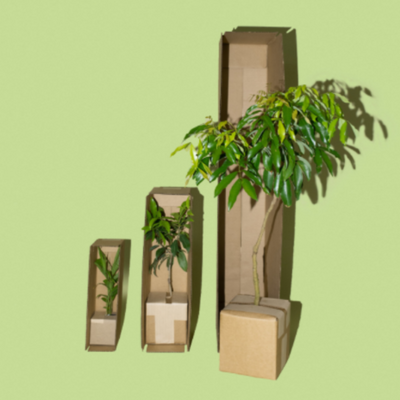
Medium Pot Size: Grown from seed and capable to produce within 2 years.
X-Large Pot Size: Grown from seed and capable to produce now.


Wondering about your USDA Growing Zone and what you can grow? 🌎🌿 Learn how to find your Zone and grow tropical plants anywhere—Florida to Alaska! 👉 Read the full blog here!
We ship every plant plastic-free and planet-friendly—using compostable packaging, recyclable pots, and carbon-conscious shipping from start to finish. 🌎🌱👉 Our Commitment to Packaging & Shipping Sustainability