


Guava 'Kilo' (Psidium guajava)
Regular price $99.95Crisp Tropical Guava with Giant Fruit
Kilo Guava, coined the “Kilo White” Guava because of its immense size, is a standout tropical fruiting tree known for producing exceptionally large fruit, often reaching around a kilogram (more than 2 lbs). The fruit develops with smooth skin, aromatic flesh, and a sweet, tropical flavor profile that intensifies as it ripens.
The plant grows as a vigorous evergreen tree with dense, glossy foliage and a branching habit that supports heavy fruit set. Native to tropical regions, it thrives in warm climates where long growing seasons support continuous growth and reliable production. It is valued for its productivity, fruit size, and adaptability to home orchards and food forest systems.
Cultural & Culinary Significance
Guavas have long been cultivated throughout tropical and subtropical regions as a staple fruit crop, used fresh, juiced, preserved, or incorporated into desserts and sauces. In many cultures, large-fruited guava varieties are especially prized for fresh eating due to their sweetness and high juice content. Kilo Guava fits within this tradition as a modern selection favored by growers for its exceptional fruit size and yield potential, making it a standout in edible landscapes focused on abundance and productivity.
Why Grow Kilo Guava?
- Produces exceptionally large fruit with high market and home value
- Offers sweet, aromatic fruit suitable for fresh eating and culinary use
- Vigorous growth and strong yield potential in warm climates
- Attractive evergreen foliage adds year-round structure to the landscape
- Well-suited for food forests, orchards, and large containers in frost-free zones
Growing Tips
(Also known as: Kilo White Guava, Giant White Guava, Psidium guajava ‘Kilo’ selections)
Kilo Guava performs best in full sun with warm, humid conditions. It prefers well-draining, moderately fertile soil with regular organic matter additions. Water consistently during establishment and fruiting, but avoid waterlogged conditions.
It thrives in tropical to subtropical climates and is sensitive to frost, requiring protection below freezing temperatures. Feed regularly during active growth with balanced fertilizer to support fruit production. Prune to maintain structure and encourage airflow, especially in dense growth.
Suitable for both in-ground planting and large containers with adequate root space. Growth is vigorous in warm weather, with increased productivity in consistently hot conditions. Fruit development typically follows flowering within a warm growing season, with peak production in tropical climates.
Quick Care Guide
| Plant Type: |
Subtropical to Tropical Fruiting Shrub/Tree |
|
Harvest Season: |
Spring, Summer |
| Mature Size: | Up to 12 ft. tall |
| Soil & Moisture: | Avoid planting guavas in low spots where cool air settles, as they don't like cold. |
| Light Requirements: | Full Sun, Part Shade |
| Self-Fertile: | Yes |
| Growth Rate: | Very Fast, Fast |
| Zone Hardiness: | Outdoors 9-11 with frost protection; Patio/Greenhouse 4+ |
| Propagation: | Our Guava Plants are grown from seed and are capable of fruiting within 3 years. |
Plant Care Guide for Growing Guava Trees
Guava trees (Psidium guajava) are tropical fruit-bearing plants known for their delicious, fragrant fruits. Proper care is essential to ensure healthy growth, optimal fruit production, and disease resistance. Whether you're growing guava trees in your backyard or as potted plants, follow these guidelines to cultivate thriving guava trees.
1. Location and Climate: Guava trees thrive in warm, tropical to subtropical climates. They require plenty of sunlight for optimal growth and fruit production. Choose a planting location with at least 6-8 hours of direct sunlight daily. While guava trees are adaptable, they prefer well-draining soil.
2. Soil Preparation: Plant guava trees in well-draining soil that is slightly acidic to neutral (pH 5.0-7.0). You can amend the soil with organic matter, such as compost or well-rotted manure, to improve fertility and drainage.
3. Planting: Plant guava trees during the warmer months, preferably in spring. Dig a hole that is slightly larger than the root ball. Place the tree in the hole at the same depth it was in the nursery container. Backfill the hole with soil and water thoroughly to settle the soil around the roots.
4. Watering: Young guava trees require consistent moisture to establish their root systems. Water deeply and regularly, especially during the first year. Once the tree is established, reduce the frequency of watering but provide deep soakings when the top few inches of soil feel dry.
5. Fertilization: Feed guava trees with a balanced, slow-release fertilizer in spring, early summer, and late summer. Choose a fertilizer with a ratio like 10-10-10 or 14-14-14, which provides a balanced mix of nitrogen, phosphorus, and potassium. Follow the manufacturer's instructions for application rates.
6. Pruning: Pruning helps maintain a healthy shape, remove dead or diseased branches, and encourage air circulation. Prune guava trees during the dormant season, typically in winter. Remove any suckers that emerge from the base of the tree. Regularly thin out the canopy to allow sunlight to reach all parts of the tree.
7. Pest and Disease Management: Guava trees can be susceptible to pests such as fruit flies, aphids, and scale insects. Regularly inspect your trees for signs of infestation and treat promptly if necessary, using horticultural oils or insecticidal soaps. To prevent disease, avoid over-watering and waterlogging the soil.
8. Mulching: Apply a layer of organic mulch around the base of the tree to conserve moisture, suppress weeds, and regulate soil temperature. Keep the mulch a few inches away from the trunk to prevent moisture-related issues.
9. Fruit Thinning: If your guava tree produces an excessive number of fruits, consider thinning them out. This promotes larger and healthier fruits and prevents the tree from being overburdened.
10. Harvesting: Guava fruits are ready to be harvested when they change color and give off a sweet aroma. Gently twist or cut the fruits from the tree. Avoid pulling, as this can damage the branches.
By following these guidelines, you can successfully cultivate guava trees that produce flavorful, tropical fruits for you to enjoy. Remember that specific care requirements may vary based on the guava tree variety and your local climate, so always observe your tree's behavior and adjust your care routine accordingly.


Wondering about your USDA Growing Zone and what you can grow? 🌎🌿 Learn how to find your Zone and grow tropical plants anywhere—Florida to Alaska! 👉 Read the full blog here!
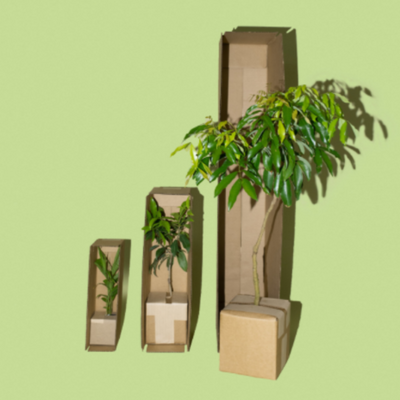
We ship every plant plastic-free and planet-friendly—using compostable packaging, recyclable pots, and carbon-conscious shipping from start to finish. 🌎🌱👉 Our Commitment to Packaging & Shipping Sustainability