
Growing Guide: Pomegranate
Growing Tips
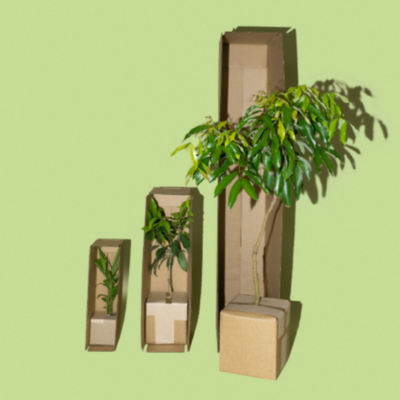
Plant Pomegranates in full sun and provide rich, moist, deep, well-draining soil. They are adaptable to many soil types as long as drainage is good. Pomegranates have low to moderate water needs and are drought tolerant once established, though consistent moisture encourages strong growth and fruit production. These fast-growing perennial fruit plants can reach 10–35 ft. tall and are naturally well suited to warm climates. They are generally evergreen but may become semi-deciduous in colder climates. Protect plants from freezing temperatures, especially when young, and grow them in patio containers or a greenhouse in colder regions. Pomegranates are self-fertile, so a single plant can produce fruit. Depending on plant size, fruit production can begin in approximately 1–3 years, with Medium pots typically producing in 2–3 years and Large and X-Large pots potentially producing within 1–2 years. Peak harvest is generally in Fall, although some varieties can produce extended or year-round crops in warm climates.
Quick Facts
| Attribute | Details |
|---|---|
| Botanical Name | Punica granatum |
| Common Names | Pomegranate, Pomegranate Tree |
| Family | Lythraceae |
| Origin | Middle East and South Asia |
| Plant Type | Evergreen Fruit Tree |
| Life Cycle | Perennial |
| Mature Size | 10–35 ft. tall |
| Light | Full Sun |
| Water Needs | Low to Moderate. Drought tolerant once established; prefers consistent moisture for best growth and fruit production. |
| Soil | Rich, moist, deep, well-draining soil. Adaptable to many soil types as long as drainage is good. |
| Bloom Time | Spring through Summer |
| Flower Color | Red to Orange-Red (varies slightly by variety) |
| USDA Zones | 7–11 outdoors; 4+ when grown in a patio container or greenhouse |
| Florida Native | No |
| Propagation | Seed or tissue culture (varies by variety and availability) |
| Seasonal Traits | Evergreen; may become semi-deciduous in colder climates |
| Time to Harvest | Typically 1–3 years depending on plant size. Medium pots may produce fruit in 2–3 years; Large and X-Large pots may produce within 1–2 years. Peak harvest is generally Fall, though some varieties can produce extended or year-round crops in warm climates. |
| Growth Rate | Fast |
| Self-Fertile | Yes |