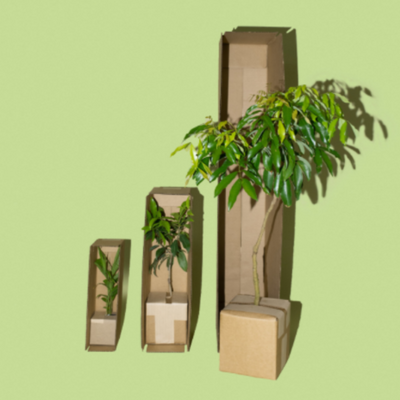

Growing Guide: Sycamore FIg
Growing Tips
(Also known as: Sycamore Fig, Sycomore Fig, Fig-mulberry, Egyptian Fig)
Light: Full sun for best growth and fruiting
Soil: Well-drained loam or sandy soil; tolerates poor soils once established
Water: Moderate water; drought-tolerant after establishment but prefers periodic deep watering
Temperature: Tropical to subtropical; frost sensitive, damage below ~30°F (-1°C)
Fertilizing: Light feeding with balanced fertilizer during active growth
Pruning: Prune to manage size, shape canopy, and remove dead wood; responds well to pruning
Container vs. In-ground: Best suited for in-ground planting; containers only when young and regularly pruned
Growth Pace & Environment: Fast-growing, appreciates warmth and humidity; protect young trees from strong winds; generally pest-resistant
Time to Fruit: 2–4 years from cuttings under warm conditions
| Attribute | Details |
|---|---|
| Botanical Name | Ficus sycomorus |
| Common Names | Sycamore Fig, Sycomore Fig, Fig-mulberry, Egyptian Fig |
| Family | Moraceae |
| Origin | Sub-Saharan Africa, Middle East |
| Plant Type | Tree |
| Life Cycle | Perennial |
| Mature Size | 50–65 ft × 50–70 ft |
| Light | Full Sun |
| Water Needs | Moderate |
| Soil | Well-drained; loam, sand, adaptable soils |
| Bloom Time | Year-round in warm climates |
| Flower Color | Inconspicuous (internal fig flowers) |
| USDA Zones | 10–12 |
| Florida Native | No |
| Propagation | Seeds, Cuttings, Air Layer |
| Seasonal Traits | Evergreen to semi-deciduous |
| Time to Harvest | 2–4 years from cuttings |