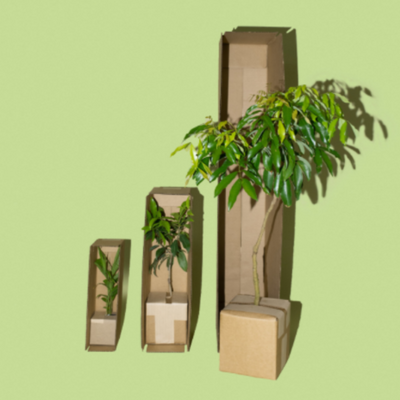

Growing Guide: Mulberry 'Pakistan'
Growing Tips
(Also known as: Pakistan Mulberry, Pakistani Mulberry, Himalayan Mulberry, Long Mulberry)
Pakistan Mulberry thrives in full sun and develops its best fruit production with at least 6–8 hours of direct sunlight daily. Plant in fertile, well-draining soil, though established trees adapt to a variety of soil conditions.
Water regularly during establishment. Mature trees tolerate short periods of drought but perform best with consistent moisture throughout the growing season.
Hardy in USDA Zones 7–10, Pakistan Mulberry prefers warm conditions and benefits from protection during severe freezes while young.
Apply a balanced fertilizer or compost in spring to support vigorous growth and fruit production. Mulching helps conserve moisture and improve soil health.
Prune during dormancy to maintain shape and encourage productive new growth. This variety responds well to pruning and can be maintained at a manageable harvest height.
Suitable for large containers when young, though in-ground planting is recommended for maximum growth and fruit production. Fast-growing and highly productive once established.
Most established plants begin producing fruit within 1–3 years under favorable growing conditions.
| Attribute | Details |
|---|---|
| Botanical Name | Morus macroura |
| Common Names | Pakistan Mulberry, Black Mulberry |
| Family | Moraceae |
| Origin | Western Asia (Iran region); widely cultivated in South Asia |
| Plant Type | Tree |
| Life Cycle | Perennial |
| Mature Size | 30–40 ft tall × 30–40 ft wide (can be kept smaller with pruning) |
| Light | Full sun |
| Water Needs | Moderate; drought tolerant once mature |
| Soil | Well-draining soil; adaptable to sandy, loamy, or clay soils |
| Bloom Time | Spring |
| Flower Color | Greenish (inconspicuous) |
| USDA Zones | 7–10 |
| Florida Native | No |
| Propagation | Cuttings, grafting |
| Seasonal Traits | Deciduous |
| Time to Harvest | Late spring to early summer; typically fruits 2–3 years after planting |